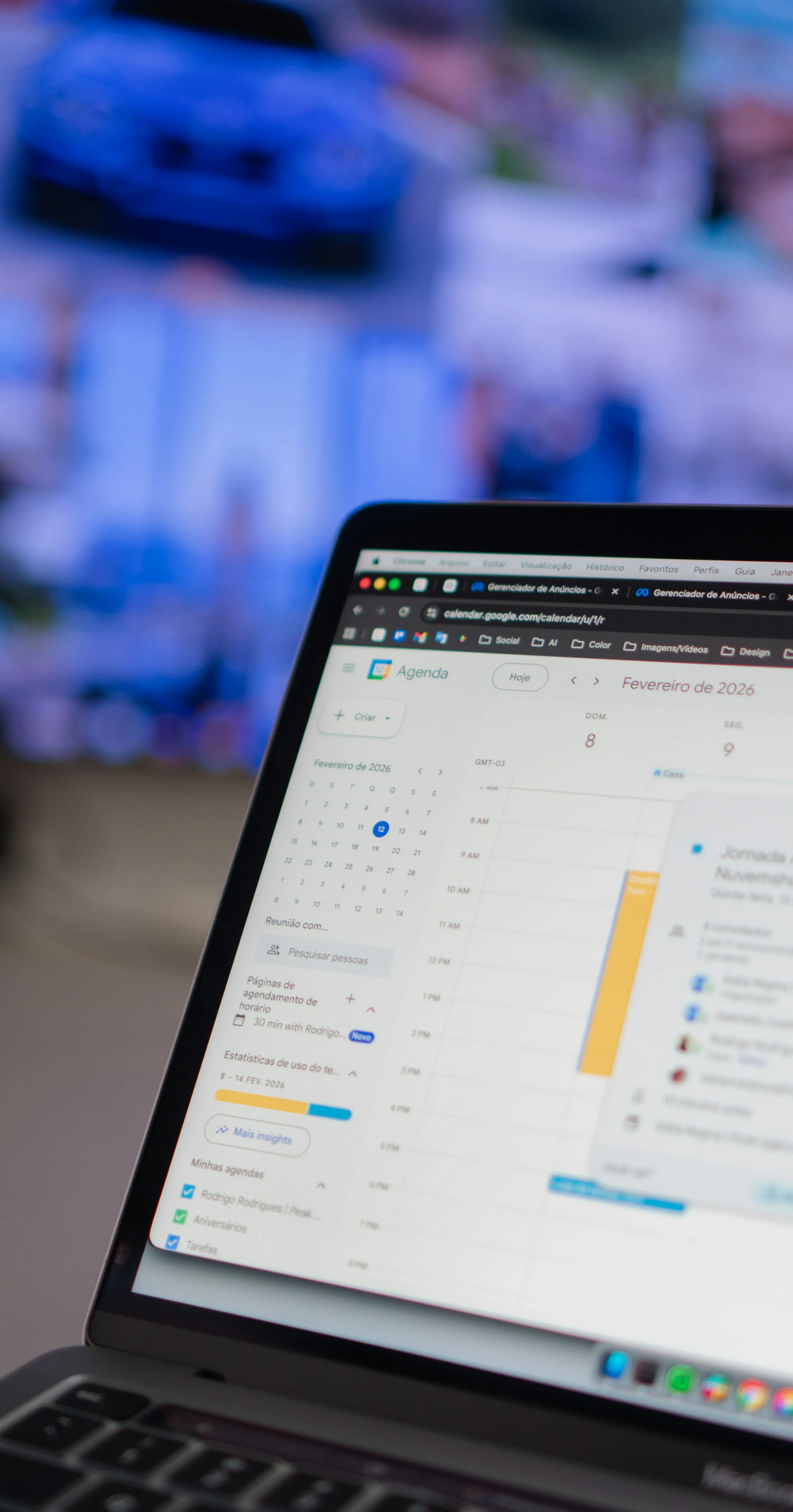

Late fees feel small until they stack up. The Consumer Financial Protection Bureau says credit card late fees grew to over $14 billion in 2022, making up more than 10% of the $130 billion consumers paid in credit card interest and fees that year (CFPB). The same agency noted that the typical credit card late fee was $32, and its 2024 rule aimed to lower that to $8, although the rule is currently stayed due to litigation (CFPB final rule).
That is why a simple bill reminder system can be worth real money. You do not need a complicated finance setup. A good calendar app can remind you before rent, utilities, credit cards, subscriptions, insurance, school payments, and loan payments are due.
As the CFPB puts it, late fees are costly enough that reducing them could save families “more than $10 billion” each year (CFPB). For a family or single person watching every dollar, that makes payment reminders less of a productivity trick and more of a basic money habit.
How Calendar Apps Help You Avoid Late Payment Fees
Avoiding late payment fees with calendar apps means turning every bill into a visible, timed reminder before the due date. Instead of relying on memory, paper letters, or random email alerts, you create a repeatable system.
A useful bill calendar usually includes:
- The bill name
- The due date
- The minimum amount or expected amount
- The payment method
- A reminder 3-7 days before the due date
- A second reminder on the payment day
- A note showing whether the bill is on autopay or manual payment
This works especially well because late payments often happen for boring reasons: the bill arrived in the wrong inbox, payday came after the due date, a subscription renewed early, or you simply forgot. The Federal Reserve’s 2025 report found that 11% of adults struggled to pay bills in the prior 12 months because their income varied (Federal Reserve). If your income timing changes, reminders help you plan before the due date hits.
What I Looked For In These Apps
I tested these apps from a practical household-money point of view: could you use them on a normal week, with normal bills, without turning your life into a spreadsheet?
The best apps had:
- Recurring reminders for monthly bills
- Easy mobile notifications
- A clear calendar or upcoming-bills view
- Notes for amounts, account names, or payment links
- Low friction for families, couples, or busy singles
- Support for manual bills, not just subscriptions
No app is perfect. Calendar apps are excellent for remembering dates, while finance apps are better at spotting recurring charges. The strongest setup is often a mix: one calendar for due dates, plus one money app for subscriptions and spending.
1. Google Calendar: Best Free All-Rounder
Google Calendar is the easiest starting point if you already use Gmail, Android, Google Tasks, or Google Workspace. In my test, it worked well for basic bill reminders because I could create recurring monthly events, add notes, and set multiple notifications.
Google’s own help pages confirm that Google Calendar supports Tasks, including dated tasks that appear in Calendar (Google Calendar Help). Google has also been moving reminders across its ecosystem into Google Tasks, which makes bill reminders more centralized across Calendar, Gmail, Docs, and other Google tools (Android Central).
Best use case: you want a free, simple bill reminder calendar that works across phone, desktop, and email.
How I’d set it up:
- Create a calendar called “Bills”
- Add recurring events like “Pay credit card”
- Set one reminder 5 days before and another on the due date
- Add the payment link or account note in the description
- Use color coding for manual bills versus autopay bills
Pros
- Free and widely available
- Easy recurring events
- Works well on Android, iPhone, and desktop
- Good for shared family calendars
- Can combine calendar events with Google Tasks
Cons
- It does not automatically know whether you paid
- No built-in budgeting tools
- Too many calendars can get cluttered
- You must manually update variable bills
2. Apple Calendar + Reminders: Best For iPhone Families
If your household uses iPhones, Apple Calendar and Apple Reminders are a smooth option. In my test, the best setup was to use Calendar for fixed due dates and Reminders for action-based tasks like “pay water bill after payday.”
Apple says Reminders lets you schedule reminders and mark important items with flags (Apple Support). That matters because bills are not just dates. They are tasks you need to complete.
Best use case: you live in the Apple ecosystem and want bill reminders on iPhone, iPad, Mac, and Apple Watch.
How I’d set it up:
- Use Calendar for recurring due dates
- Use Reminders for manual payment tasks
- Flag high-risk bills like rent, credit cards, or insurance
- Add family-shared reminders for household bills
- Use Siri for quick entries when a bill notice arrives
Pros
- Built into Apple devices
- Strong notifications on iPhone and Apple Watch
- Good for shared family lists
- Simple voice entry with Siri
- No extra app needed
Cons
- Less useful if your family uses mixed Android and Apple devices
- Not a full budget app
- Manual setup takes time
- Calendar and Reminders are separate tools, so you need a system
3. Microsoft Outlook Calendar: Best For Work-Life Bill Planning
Outlook Calendar is a strong choice if your financial life is tied to your work calendar. In my test, it was especially useful for people who want bill reminders next to meetings, payday, travel, and school events.
Microsoft confirms that Outlook Calendar supports recurring events and separate calendars, such as one for personal appointments (Microsoft Support). Outlook also supports reminders before appointments or recurring events (Microsoft Support).
Best use case: you already live in Outlook for work and want bills to appear in the same planning space.
How I’d set it up:
- Create a separate “Household Bills” calendar
- Add rent, mortgage, loans, insurance, and credit card due dates
- Set reminders during working hours, not late at night
- Add notes like “check balance first” or “manual payment”
- Share the calendar with a partner if needed
Pros
- Great for people already using Microsoft 365
- Strong recurring calendar tools
- Good desktop experience
- Separate calendars keep bills organized
- Useful for families managing work and household schedules together
Cons
- Can feel too business-like for personal budgeting
- Mobile experience depends on notification settings
- No automatic bill tracking
- Easy to ignore if your work calendar is already overloaded
4. Todoist: Best For People Who Think In Tasks
Todoist is not a traditional calendar app, but it is excellent for payment reminders because bills are tasks. In my test, Todoist felt better than a calendar when I wanted a clear “done or not done” workflow.
Todoist supports reminders on specific dates and times, and its help center notes that you can enter recurring dates using natural language, such as weekly or monthly schedules (Todoist Help). That makes it useful for recurring bills like “pay rent every 1st” or “check credit card balance every 25th.”
Best use case: you want bill reminders that stay visible until you mark them complete.
How I’d set it up:
- Create a project called “Bills”
- Add recurring tasks for each payment
- Use labels like “manual,” “autopay,” and “variable”
- Set priority 1 for bills with late fees
- Add payment links in task comments or descriptions
Pros
- Very clear task-completion flow
- Natural-language recurring dates are fast
- Good for manual bills
- Works across devices
- Cleaner than a busy calendar for some people
Cons
- Some reminder features require a paid plan
- It is not a finance app
- You still need to track amounts elsewhere
- Recurring reminders can take a little learning
5. Rocket Money: Best For Subscriptions And Recurring Charges
Rocket Money is more of a personal finance app than a pure calendar app, but it deserves a place here because recurring subscriptions are a major source of surprise charges. In my test, Rocket Money was most useful for seeing upcoming bills and subscriptions in one place.
Rocket Money says its Recurring tab organizes subscriptions and bills into Upcoming, All, and Calendar views (Rocket Money Help). Its help center also says it can automatically detect subscriptions by analyzing connected bank and credit card transactions, while manual bills can be added in the mobile app (Rocket Money Help).
Best use case: you want to catch subscriptions, renewals, and recurring charges before they surprise you.
How I’d set it up:
- Connect the accounts you actually use for bills
- Review the Recurring tab weekly
- Add manual bills that do not show up automatically
- Use the calendar view to spot expensive weeks
- Pair it with Google Calendar or Apple Calendar for payment reminders
Pros
- Automatically finds many recurring charges
- Calendar view is useful for subscriptions
- Good for spotting forgotten services
- Helps with broader spending awareness
- Useful for singles and families with many small recurring bills
Cons
- Some features require Premium
- You must connect financial accounts for the best experience
- It may miss bills paid outside linked accounts
- It is better at tracking than replacing your main calendar
Calendar Apps Vs. Autopay: Which Is Better?
Autopay can help, but it is not a complete solution. It prevents some missed payments, but it can also create overdraft risk if money is tight or income arrives late.
A calendar app gives you more control because you can see what is coming before the payment happens. That is especially useful for variable bills like utilities, credit cards, childcare, medical bills, and annual insurance premiums.
A good rule:
- Use autopay for fixed, predictable bills when the account balance is reliable
- Use calendar reminders for variable bills
- Use both for high-risk bills like credit cards, rent, mortgage, loans, and insurance
- Set reminders before payday if your income timing matters
This is also where current personal finance trends are heading. Apps are becoming more proactive. Google is centralizing reminders into Tasks, Rocket Money is surfacing recurring charges in calendar views, and budgeting apps are leaning harder into upcoming-payment visibility. After Mint shut down in 2024, NerdWallet noted that some Mint features moved to Credit Karma, but monthly budgets and customized categories did not carry over in the same way (NerdWallet). That pushed many people to rebuild their own bill reminder systems.
A Simple Bill Calendar Setup That Works
You do not need to track everything perfectly. You just need a setup that catches the expensive misses.
Here is a simple structure:
- 7 days before: “Bill coming up”
- 3 days before: “Check balance and amount”
- Due date morning: “Pay today”
- After payment: mark it done or add “paid” to the event note
For families, add shared visibility:
- Rent or mortgage
- Utilities
- Credit cards
- Insurance
- Phone and internet
- Childcare or school fees
- Streaming and app subscriptions
- Loan payments
- Annual renewals
For singles, the same system works with fewer moving parts. The main goal is to make every due date visible before it becomes urgent.
Quick Comparison: Which App Should You Use?
| App | Best For | Free Option | Main Strength | Main Weakness |
|---|---|---|---|---|
| Google Calendar | Most people | Yes | Simple shared bill calendar | Manual tracking |
| Apple Calendar + Reminders | iPhone households | Yes | Strong device notifications | Apple-focused |
| Outlook Calendar | Work-calendar users | Yes | Work and bills in one view | Can feel crowded |
| Todoist | Task-based planners | Yes | Clear “done” workflow | Best reminders may cost extra |
| Rocket Money | Subscriptions and recurring charges | Yes | Detects recurring payments | Needs account connection |
Final Thoughts
Late payment fees are often a systems problem, not a character problem. When bills are scattered across emails, apps, paper mail, and bank portals, missing one is easy. A calendar app gives every payment a place, a date, and a reminder.
For most people, Google Calendar or Apple Reminders is enough. If you manage bills through work routines, Outlook fits well. If you need completion tracking, Todoist is cleaner. If subscriptions are the real leak, Rocket Money adds visibility that a normal calendar cannot.
References
- Consumer Financial Protection Bureau: CFPB bans excessive credit card late fees, lowers typical fee from $32 to $8
- Consumer Financial Protection Bureau: Credit Card Penalty Fees Final Rule
- Federal Reserve: Economic Well-Being of U.S. Households in 2024 - Income and Expenses
- Google Calendar Help: Create and manage tasks in Google Calendar
- Apple Support: Use Reminders on your iPhone, iPad, or iPod touch
- Microsoft Support: Get started with the Outlook Calendar
- Microsoft Support: Add or delete notifications or reminders in Outlook
- Todoist Help: Introduction to reminders
- Rocket Money Help: Where can I view my subscriptions and bills?
- Rocket Money Help: Managing your bills and subscriptions
- NerdWallet: Mint app closing and how to pick a new budget service