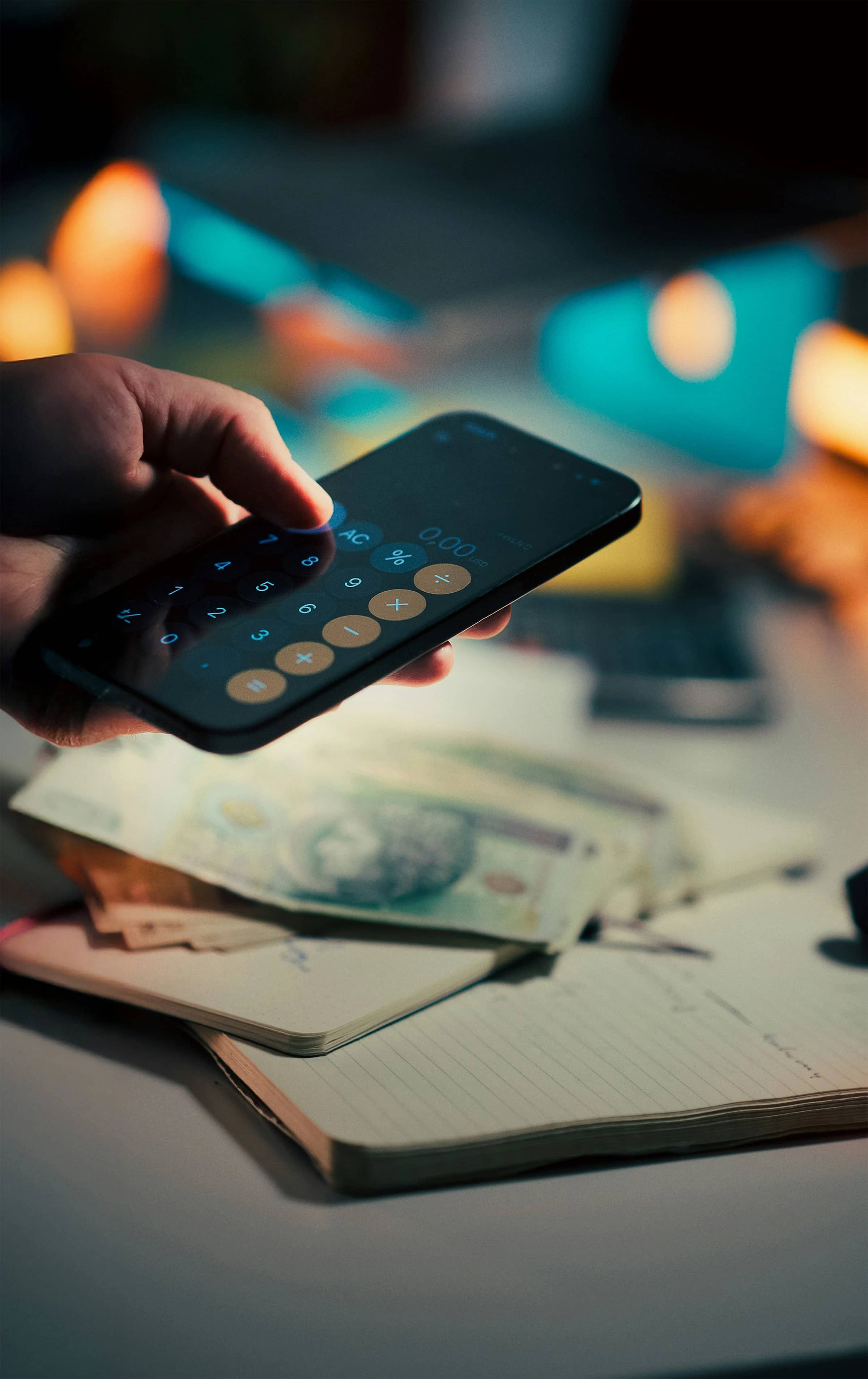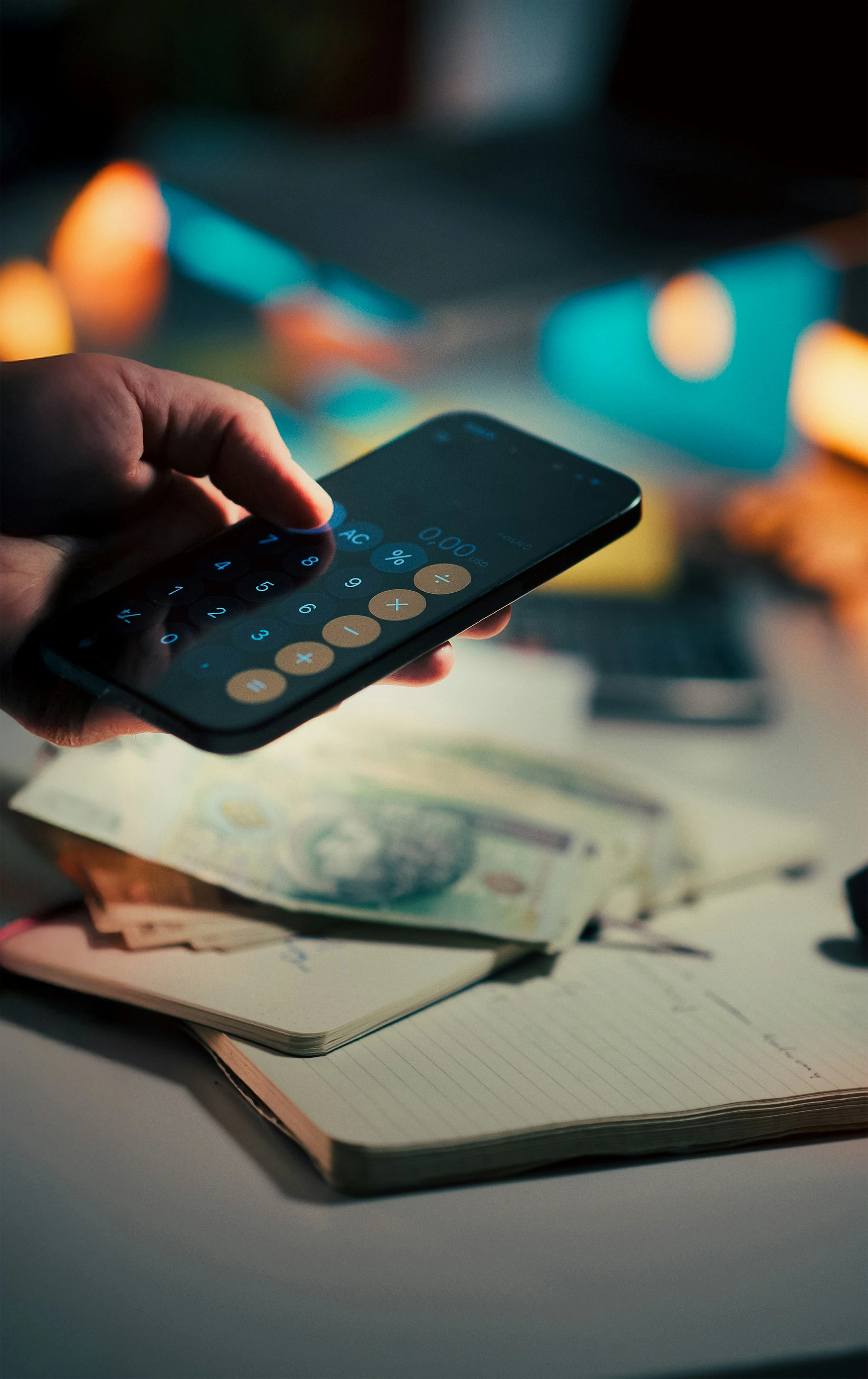

A few small purchases can quietly become a large monthly expense. A coffee here, a delivery fee there, and another subscription may not feel serious until you see the total.
The problem is not always a lack of financial discipline. Budgeting itself can feel difficult. In research published by the Consumer Financial Protection Bureau, 40% of respondents without a budget blamed uncertainty around income or expenses. Around 23% cited a lack of time, while nearly one in five said budgeting was too much hassle.
A daily money journal app can reduce that friction. It gives you a simple place to record, review, and understand your spending before small financial decisions become expensive habits.
What Is a Daily Money Journal App?
A daily money journal app is an expense tracker that records what you buy, how much you spend, and where your money goes. It combines the awareness of a traditional spending diary with tools such as:
- Automatic bank transaction imports
- Manual expense entry
- Spending categories
- Daily and monthly limits
- Charts and spending reports
- Shared household budgets
- Alerts for unusual or excessive spending
Some apps work mainly as digital journals. Others are complete personal finance platforms that include savings goals, investment tracking, debt planning, and subscription monitoring.
The most important feature is not automation. It is the regular feedback loop: you spend, record or review the transaction, compare it with your plan, and adjust your next decision.
Can Tracking Spending Really Reduce Overspending?
Yes, but an app cannot do the work alone.
A 2024 doctoral study from the University of Wisconsin–Madison analyzed real-world data from an expense-tracking app. It found that persistent tracking was associated with a lower share of discretionary spending. However, tracking did not automatically improve adherence to monthly budgets.
That distinction matters. A money journal can show that you spent $180 on takeout, but it cannot stop your next order. You still need a realistic limit and a rule for what happens when you approach it.
The CFPB describes another practical benefit:
“Don’t leave anything out.”
That short instruction from its spending assessment guidance captures why daily tracking works. Recording every purchase exposes costs that are easy to forget or mentally dismiss.
A daily expense tracker can help by:
- Making spending visible: Small purchases become measurable totals.
- Creating a pause: Manual entry adds a moment of reflection after each purchase.
- Identifying triggers: Notes can reveal whether boredom, stress, convenience, or social situations encourage spending.
- Showing trade-offs: An entertainment purchase becomes easier to evaluate when you can see what remains in that category.
- Supporting accountability: Couples and families can review the same household spending data.
- Providing timely warnings: Alerts can flag a problem before the end of the month.
The effect depends on consistency. Reviewing transactions daily is more useful than opening the app once after your budget has already been exceeded.
How I Compared the Apps
I evaluated the five apps as practical daily spending journals rather than judging them only by the number of features. The comparison focused on:
- Speed of recording and reviewing purchases
- Quality of spending categories and reports
- Budget visibility
- Support for couples and families
- Manual versus automatic tracking
- Ease of noticing unnecessary expenses
- Cost and free-plan limitations
Prices and features below reflect information available in June 2026. Subscription costs may vary by country, currency, tax, and app store.
1. YNAB: Best for Intentional Spending
YNAB, short for You Need A Budget, is built around assigning available money to specific purposes. Instead of simply explaining where your money went, it encourages you to decide what your money should do before you spend it.
During everyday use, the category balances act like a decision screen. Before ordering dinner or buying clothes, you can check whether that category still has enough money. This makes YNAB particularly useful when overspending comes from treating your bank balance as spendable cash.
YNAB also supports real-time device syncing, savings targets, debt tools, and subscription sharing with a group of up to six people, according to its official feature and pricing information.
Pros
- Encourages planning before spending
- Clear category balances
- Useful savings and debt targets
- Suitable for families and partners
- Supports both imported and manually entered transactions
Cons
- Requires more setup than a basic expense tracker
- The budgeting method has a learning curve
- No permanent free plan
- Frequent category management may feel demanding
Best for: People who want a structured system that changes how they make spending decisions.
2. Monarch Money: Best for Couples and Households
Monarch Money combines expense tracking, budgeting, account monitoring, goals, investments, and recurring-payment detection. Its strongest practical advantage is the shared household view.
When two people use different accounts or credit cards, it is easy to underestimate total family spending. Monarch brings joint and individual accounts into one dashboard. Household members can review transactions, collaborate on budgets, and monitor goals without paying for separate memberships, according to Monarch’s couples budgeting guide.
The transaction review system is useful as a daily journal. Purchases appear in a searchable list and can be marked as reviewed, helping you turn passive bank syncing into an active money check-in.
Pros
- Strong shared-finance features
- Customizable category or flexible budgeting
- Tracks subscriptions and recurring payments
- Detailed reports and cash-flow views
- Includes goals, investments, and net-worth tracking
Cons
- More expensive than simple expense journals
- Large number of features may overwhelm beginners
- Automatic categories still need occasional correction
- Primarily aimed at users in the United States and Canada
Best for: Couples and families who need one complete view of household finances.
3. Goodbudget: Best for Digital Envelope Budgeting
Goodbudget turns the envelope budgeting method into a mobile and web-based system. You divide your income among virtual envelopes such as groceries, transport, entertainment, and school expenses. Every purchase reduces the relevant envelope balance.
This design makes overspending easy to understand. If your dining-out envelope is nearly empty, you know immediately that another restaurant visit will require either waiting or moving money from another priority.
The free version includes 10 regular envelopes, 10 additional envelopes, one account, two devices, and one year of history. Goodbudget Premium adds unlimited envelopes and accounts, five devices, and automatic bank syncing for US banks. Its official pricing page lists Premium at $10 per month or $80 per year.
Pros
- Simple visual limits for each spending category
- Useful free plan
- Works on the web, Android, and iPhone
- Good fit for shared family budgeting
- Encourages deliberate spending decisions
Cons
- Free users may need to enter many transactions manually
- Automatic bank syncing is limited to US banks
- Envelope setup takes some initial thought
- Less suitable for investment or net-worth tracking
Best for: Families and singles who like firm category limits and want a straightforward budgeting method.
4. Spendee: Best for Visual Daily Tracking
Spendee is a colorful expense tracker that makes spending patterns easy to scan. You can create separate wallets for cash, bank accounts, trips, shared household costs, or side projects.
Its charts provide a quick answer to basic but important questions: Where did your money go? Did you spend less than you earned? Which category grew compared with last month?
Spendee also supports shared wallets for couples, families, and roommates. Bank syncing and automatic categorization are included with Premium. As of June 2026, the official pricing page lists Premium at $5.99 per month or $35.99 per year, with a seven-day trial.
A newer development is receipt scanning. The app’s Google Play listing describes an AI receipt scanner that can extract transaction details, reducing the effort involved in maintaining a daily spending journal.
Pros
- Clear and attractive spending charts
- Separate wallets for different purposes
- Shared tracking for household expenses
- Supports manual entry and bank connections
- Lower annual price than several full budgeting platforms
Cons
- Bank syncing requires the Premium plan
- The free version is relatively limited
- Visual reports do not enforce spending decisions
- Some features and prices vary by country
Best for: Visual learners who want fast expense tracking without a highly rigid budgeting method.
5. Wallet by BudgetBakers: Best for International Users
Wallet combines manual expense tracking with automatic bank connections, budgets, planned payments, cash-flow analysis, and support for multiple currencies.
Its broad banking coverage makes it a practical option outside North America. BudgetBakers says Wallet can connect with more than 15,000 financial institutions worldwide. Bank syncing is a paid feature, but manual tracking can still provide the daily journal effect.
The planned-payment tools are useful for distinguishing committed expenses from optional spending. If rent, insurance, and annual bills are already included in your forecast, your current account balance becomes less misleading.
Pros
- Broad international bank support
- Multiple-currency management
- Manual and automatic expense tracking
- Budgets, planned payments, and cash-flow forecasts
- Suitable for personal and family finances
Cons
- Bank syncing requires Premium
- Initial transaction history may be limited by the connected bank
- Some reports require careful category setup
- The number of tools can make the interface feel busy
Best for: International users who manage several accounts, currencies, or planned expenses.
Which App Fits Your Spending Habits?
The best daily money journal app depends on why you overspend.
| Spending challenge | Practical choice |
|---|---|
| You spend without checking category limits | YNAB |
| You and your partner lack a shared overview | Monarch Money |
| You need firm limits for groceries or entertainment | Goodbudget |
| You want simple, visual spending insights | Spendee |
| You use international banks or multiple currencies | Wallet |
A simpler app that you review every day will usually be more useful than an advanced platform you avoid. The goal is to shorten the gap between making a purchase and understanding its effect.
A Daily Routine That Makes the App Useful
You do not need to study reports for an hour. A five-minute routine is enough for most households:
- Add any cash purchases that were not imported automatically.
- Check imported transactions and correct their categories.
- Review the amount left in flexible categories.
- Add a short note to unusual or impulsive purchases.
- Look at upcoming bills before making another optional purchase.
A weekly review can then answer broader questions:
- Which category exceeded its limit?
- Which purchases were forgotten until they appeared in the app?
- Did spending rise on certain days?
- Are recurring payments still useful?
- Does the budget reflect actual family needs?
This combination of daily awareness and weekly adjustment is more effective than treating a budget as a fixed monthly document.
Current Trends in Money Journal Apps
Expense trackers are moving beyond simple manual lists. Several developments are making daily money management faster and more personalized:
- AI-assisted categorization: Apps increasingly classify purchases and identify unusual transactions automatically.
- Receipt scanning: A photograph can create a detailed expense entry without manual typing.
- Shared household dashboards: Couples can combine separate and joint accounts while keeping one budget.
- Flexible budgeting: Apps such as Monarch now offer broader fixed, flexible, and non-monthly spending groups alongside traditional categories.
- Subscription detection: Recurring-payment calendars help expose forgotten memberships.
- Global bank connectivity: International syncing and multiple-currency tools are becoming more common.
Automation reduces effort, but it can also reduce attention. If every transaction disappears into the correct category without review, the app becomes a record rather than a journal. A short daily check remains important.
The Bottom Line
Daily money journal apps can reduce overspending by making purchases visible, connecting them to clear limits, and providing feedback while there is still time to adjust. Research supports an association between persistent expense tracking and lower discretionary spending, but tracking alone does not guarantee that you will follow a budget.
YNAB offers the strongest structure, Monarch Money works well for shared household finances, Goodbudget provides clear envelope limits, Spendee emphasizes visual simplicity, and Wallet offers broad international support. The most effective option is the one that fits naturally into your daily routine and keeps spending decisions visible.
References
- Consumer Financial Protection Bureau: Assess Your Spending
- Consumer Financial Protection Bureau: Consumer Insights on Managing Spending
- University of Wisconsin–Madison: The Role of Expense-Tracking as a Financial Self-Regulatory Behavior
- YNAB: Features and Pricing
- Monarch Money: Personal Finance Features
- Monarch Money: Budgeting for Couples
- Goodbudget: Plans and Pricing
- Spendee: Plans and Pricing
- Spendee: App Features
- BudgetBakers: Wallet Features
- BudgetBakers: Wallet Bank Sync