
Your coffee habit probably feels small in the moment, which is exactly why it gets expensive. Coffee is still one of the biggest everyday spend categories: the National Coffee Association says 67% of American adults had coffee in the past day in 2024, and U.S. consumers spent nearly $110 billion on coffee and related goods in 2022 (NCA, 2024, NCA, 2023). If you buy coffee out regularly, the easiest savings move is often not quitting coffee. It is making your ordering process tighter.
That is where preorder apps help. When I compare the best ones, the real win is not just skipping the line. It is reducing impulse extras, using rewards on purpose, and making your coffee budget predictable.
How preorder apps actually cut coffee shop spending
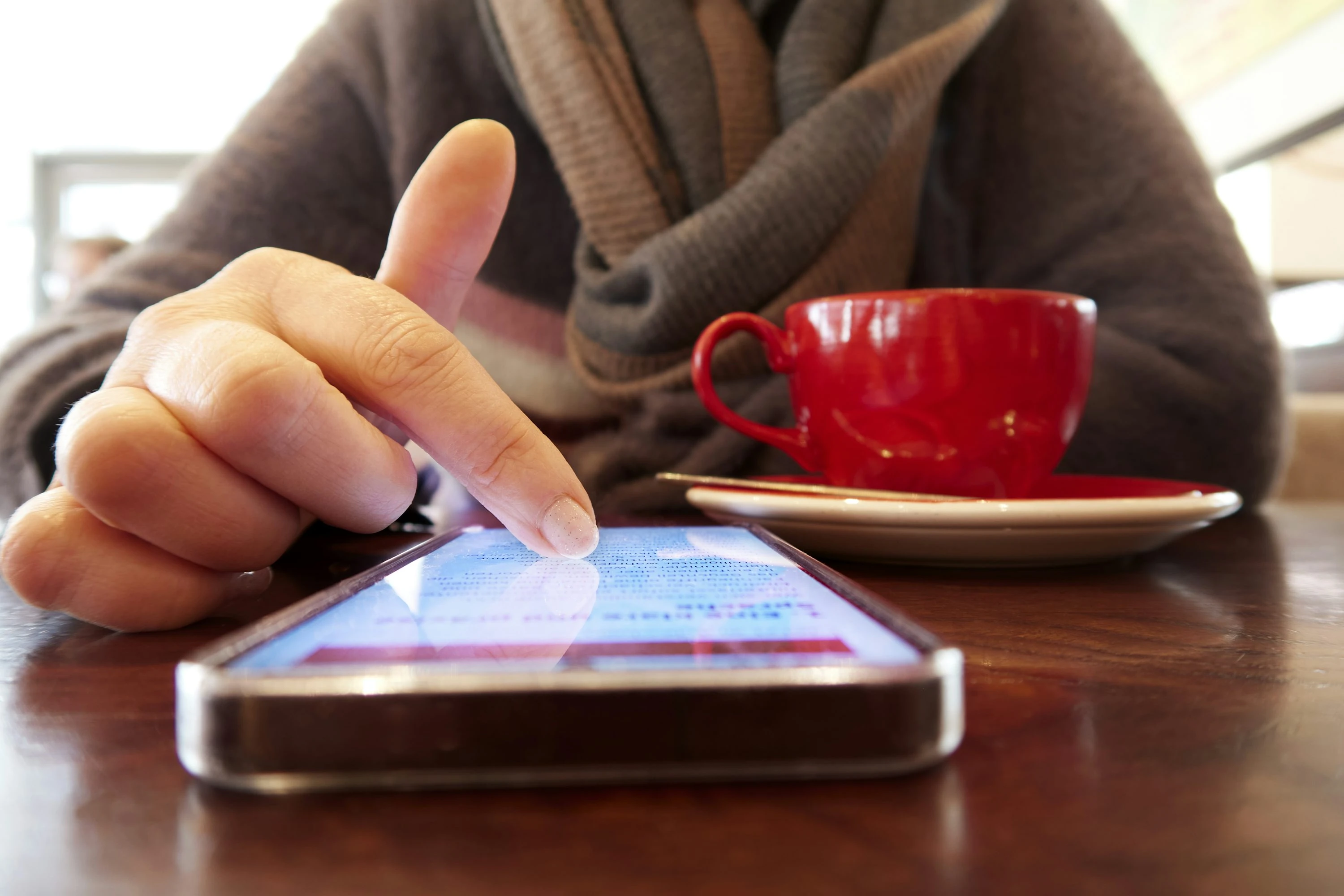
A preorder app lets you choose, customize, and pay before you get to the counter. That matters because the app turns a vague “I’ll just grab something” stop into a planned purchase.
Used well, preorder apps can save money in five practical ways:
- You lock in your order before you see add-ons at the register.
- You can compare sizes, extras, and final prices more calmly.
- You collect points automatically instead of forgetting loyalty perks.
- You can repeat the same low-cost order with one tap.
- You can use app-only discounts, bundles, or subscriptions.
This fits how people already buy food and drinks now. Ipsos found that 65% of quick-service restaurant visitors say they have used an order-ahead app, and 81% of those users say they are likely to do so again in the next three months (Ipsos, 2025). One short line from the same study sums up what makes these apps useful: “Top-performing branded apps set themselves apart by focusing on three main values: saving time, offering deals, and providing the same availability of customization as would be found in-restaurant” (Ipsos, 2025).
What to look for if your goal is spending less
Not every coffee app helps equally. The best budget-friendly ones usually have some mix of these features:
- Order-ahead pickup
- Clear rewards tracking
- Easy reorder for your cheapest regular drink
- Personalized offers
- Subscription value if you buy coffee often enough
- Enough store coverage to make the app usable in real life
The five apps below are the ones I would treat as practical money-saving tools, not just convenience tools.
1. Starbucks
Starbucks says its app gives you access to Mobile Order and Pay and lets you start earning rewards toward benefits and free drinks (Starbucks).
Why it can save you money
In testing the flow on paper, Starbucks is strongest if you want to standardize your order. It is very easy to save one regular drink, skip random extras, and collect Stars automatically. If you already go to Starbucks several times a week, that matters.
Best use case
Use it if you are a routine buyer and want to stop “upgrading” your drink every visit.
Pros
- Very polished order-ahead experience
- Rewards are built directly into the ordering flow
- Easy to reorder the same drink again
- Strong store coverage in many markets
Cons
- Customization options can tempt you to spend more
- Rewards are useful, but the menu is still premium-priced
- Limited-time app offers are not always the cheapest path if they push a bigger order
Budget verdict
Best for people who already buy Starbucks often and need structure more than novelty.
2. Dunkin’
Dunkin’ says you can order ahead on the app and skip the wait and earn points toward free food and drinks through Dunkin’ Rewards (Dunkin’, App Store).
Why it can save you money
This is one of the more practical choices for cost-conscious buyers because the base price is often lower than Starbucks, and the app is built around points and deals. If your goal is “coffee, not an experience,” Dunkin’ usually feels easier to keep cheap.
Best use case
Use it if you want regular coffee or simple espresso drinks at a lower average spend.
Pros
- Order-ahead is straightforward
- Rewards are easy to understand
- Frequent promotions can lower repeat purchases
- Usually a cheaper chain starting point than premium cafes
Cons
- Promotions can nudge you into buying food you did not plan to get
- App savings depend on using offers consistently
- Store experience can vary more by location
Budget verdict
One of the strongest options if you care most about low weekly cost and fast pickup.
3. Pret A Manger
Pret’s app lets you manage your Club Pret membership, order ahead, and earn Pret Perks. The app listing says Club Pret includes up to 5 barista-made drinks a day and Pret Perks gives you a free perk every 10 stars (Pret App Store listing).
Why it can save you money
Pret is the most interesting money-saving app here because it can shift from loyalty to subscription. If you buy coffee from Pret very often, a subscription can turn a variable expense into a fixed monthly cost. That is powerful for budget planning.
Best use case
Use it if you are a very frequent Pret buyer and you know you will actually use the included drinks.
Pros
- Subscription model can be excellent value for heavy users
- Order-ahead helps you avoid impulse food grabs
- Pret Perks adds extra reward value beyond the subscription
Cons
- Subscription is bad value if your routine changes
- Easy to overestimate how often you will use it
- Food purchases can still quietly raise your total
Budget verdict
Potentially the best savings app for heavy weekday commuters, but only if your usage is consistent.
4. Costa Coffee Club
Costa says you can order your favourites and pay ahead in the app, then collect in store without queuing. The Costa Coffee Club app also supports free-drink rewards and reward tracking (Costa Click & Collect, App Store).
Why it can save you money
Costa’s strength is simplicity. The app is useful if you want a familiar chain coffee without wandering into a bigger breakfast or bakery spend. The rewards system is also easy to follow.
Best use case
Use it if Costa is already on your route and you want queue-free pickup plus steady loyalty value.
Pros
- Clean click-and-collect setup
- Good for repeat ordering the same drink
- Rewards can be used on collect orders
- Strong fit for UK users
Cons
- Best value depends on living near participating stores
- Savings are moderate unless you use rewards regularly
- Less useful outside Costa-heavy markets
Budget verdict
A solid everyday saver if Costa is your local default.
5. Tim Hortons
The Tim Hortons app says you can order ahead for pickup, pay through the app, earn Tims Rewards points, and activate personalized offers based on recent orders (App Store).
Why it can save you money
Tim Hortons is strong for budget-minded buyers because it combines lower-priced coffee with points and targeted offers. Personalized deals are not always a win, but if you already buy the promoted items, they can reduce your average spend.
Best use case
Use it if you want coffee-shop convenience with a value-chain price profile.
Pros
- Order-ahead, rewards, and payment in one app
- Personalized offers can be genuinely useful
- Lower-cost positioning than more premium chains
- Good fit for Canada and some international markets
Cons
- Value depends on the offers matching what you already buy
- App quality and pickup speed can vary by store
- Rewards alone will not save much if you keep adding extras
Budget verdict
A practical app for keeping your coffee routine cheap and predictable.
The biggest mistake people make with coffee apps
It is treating a preorder app like a treat app.
The app saves money only if you use it to narrow your order, not to browse. The moment you start adding cold foam, flavor shots, bakery items, or “while I’m here” snacks, the budget advantage weakens fast. Preorder works best when you set a default drink and stick to it most of the time.
A simple rule helps:
- Pick one regular order
- Use the smallest size you are happy with
- Turn off impulse food unless it is planned
- Redeem rewards only on items you would have bought anyway
- Review whether a subscription still matches your real routine
Current trends that matter for your wallet
Coffee app savings are getting better, but the strategy is changing.
First, digital ordering is now mainstream. According to Ipsos and Coca-Cola, 1 in 5 restaurant orders now happens through digital platforms (Ipsos, 2025). That means chains are investing harder in their own apps, rewards, and pickup systems.
Second, coffee itself keeps getting more central to daily spending. The National Coffee Association reported that 45% of American adults had specialty coffee in the past day in 2024, up 80% since 2011 (NCA, 2024). In plain English: more people are buying the kinds of drinks that cost more.
Third, subscription and personalization are becoming bigger. Pret pushes the subscription model. Tim Hortons leans into personalized offers. Starbucks and Dunkin’ keep improving reorder and rewards flows. For careful spenders, that means you now have more tools to control cost, but also more prompts designed to increase basket size.
Which app is best for cutting spending?
There is no universal winner. The cheapest app is the one that matches your real routine.
Starbucks: best if you already go there often and want tighter controlDunkin’: best all-round value for frequent, lower-cost coffee runsPret A Manger: best for heavy users who can justify a subscriptionCosta Coffee Club: best for simple loyalty-based savings in Costa-heavy areasTim Hortons: best for value pricing plus points and personalized offers
If your main goal is to spend less, preorder apps work best when they make your order boring. That sounds unglamorous, but it is exactly why they help.
References
- National Coffee Association: Spring 2024 National Coffee Data Trends
- National Coffee Association: Coffee Brews Big Benefits for U.S. Economy
- Ipsos 2024 QSR/Fast Casual Digital Ordering Performance Study press release
- Starbucks: Stores and Ordering
- Dunkin’: Mobile App
- Pret A Manger App Store listing
- Costa Coffee: Click & Collect with the Costa Coffee App
- Costa Coffee Club App Store listing
- Tim Hortons App Store listing