
Did you know that the average monthly gym membership in the US is now projected to hit $65? That is $780 a year—and that is before you even factor in initiation fees, annual maintenance charges, and the gas money you spend driving back and forth. In the UK, the story is similar, with average monthly costs hovering around £48. If you are a busy parent or a single professional trying to keep your budget lean, these numbers can feel like a heavy weight you never signed up to lift.
Even more shocking is that nearly 67% of gym memberships go completely unused. That is essentially like taking a crisp $50 bill and throwing it into the bin every single month. But what if you could get the same—or better—results from your living room for a fraction of the cost, or even for free?
In this guide, you will learn how to transition your fitness routine to your home using the best apps available today. We have tested these solutions to see which ones actually deliver on their promises of a "gym-quality" workout without the "gym-quality" price tag.
Why Home Workout Apps Are a Financial Game-Changer
Before we dive into the specific apps, let’s talk about how "budget fitness" actually works in the digital age. In the past, working out at home meant buying expensive DVDs or bulky treadmills that eventually became expensive clothes racks. Today, the technology has shifted to high-definition, interactive apps that use your body weight or minimal equipment to get you in shape.
By switching to an app, you are essentially hiring a personal trainer who lives in your pocket. These apps use sophisticated algorithms or world-class video production to guide you through HIIT (High-Intensity Interval Training), yoga, strength training, and more.
The math is simple:
- Average Gym Membership: $65/month + $50 annual fee = $830 per year.
- High-End Fitness App: $15/month (often less if paid annually) = $180 per year.
- Total Savings: $650 per year.
For a family of four where two adults have gym memberships, that is an extra $1,300 back in your pocket annually. That is a holiday, a significant chunk of a mortgage payment, or a fully funded emergency fund.
Top 5 Fitness Apps for Your Home Workout
We have spent weeks testing these apps to see which ones offer the most value for families and singles. Here are our top picks for 2026.
1. Nike Training Club (NTC)
Nike Training Club is the "gold standard" of free fitness apps. A few years ago, Nike made the bold move to make its premium content completely free for everyone, and it has remained that way. It features over 200+ workouts led by Nike Master Trainers.
The Experience: When you open NTC, you feel like you are in a premium studio. The videos are crisp, and the music is motivating. Whether you have 5 minutes or 50, there is something for you. We particularly loved the "multi-week programs" that help you stay consistent—essential if you struggle with motivation when you aren't at a physical gym.
- Pros: 100% free; no hidden subscriptions; world-class trainers; great for all levels.
- Cons: Requires a decent internet connection for video streaming; can be heavy on phone storage.
2. FitOn
FitOn is often called the "Netflix of Fitness." It is a massive platform that offers everything from HIIT and Pilates to "Cardio Dance" and prenatal yoga.
The Experience: FitOn’s biggest selling point is variety. If you get bored easily, this is your app. You can join "live" leaderboards to compete with other users, which brings back that social element you might miss from the gym. While the "Pro" version offers personalized meal plans and music integration, the free version is more than enough for most people to get a killer workout.
- Pros: Huge variety of classes; celebrity trainers (like Halle Berry and Julianne Hough); social features to keep you accountable.
- Cons: The app pushes the "Pro" upgrade frequently; some of the best music is locked behind the paywall.
3. Down Dog
If yoga is your primary way of staying fit, Down Dog is unrivaled. Unlike other apps that play the same video every time, Down Dog uses an algorithm to create a unique sequence every single time you hit "start."
The Experience: You can customize everything: the voice of the teacher, the style of music, the pace, and even which body part you want to focus on (like "low back" or "hamstrings"). It feels incredibly personal. For families, the "Down Dog" subscription often includes access to their other apps: HIIT, Barre, and Meditation.
- Pros: Never the same workout twice; high level of customization; works offline if you download sessions.
- Cons: Not free (though they offer frequent sales and deep discounts); requires a subscription after the trial period.
4. 7 Minute Workout (Johnson & Johnson)
This app is based on the "Scientific 7-Minute Workout" published in the ACSM’s Health & Fitness Journal. It is designed for the busiest people—parents juggling toddlers or singles with high-pressure jobs.
The Experience: There is no fluff here. You get a timer, a simple animation of the exercise, and a voice prompt. It uses "HIIT" principles to maximize calorie burn in a very short window. We found this perfect for "exercise snacking"—doing one 7-minute circuit in the morning and one in the evening.
- Pros: Scientifically backed; completely free; requires zero equipment (just a chair and a wall).
- Cons: The interface is a bit dated compared to Nike; might feel too repetitive for those who want "fun" workouts.
5. Freeletics
Freeletics is for those who want to get serious about strength and body transformation. It uses an AI "Coach" to learn your fitness level and push you exactly the right amount.
The Experience: The workouts are tough—often based on bodyweight exercises like burpees, squats, and lunges. The "Coach" (AI) asks you how the workout felt afterward and adjusts the next session accordingly. It is the closest thing to having a real person watching your progress.
- Pros: AI-driven personalization; excellent for building muscle without weights; strong community feel.
- Cons: The best features require a subscription; very high intensity (not for everyone).
Practical Tips for Responsible Home Workouts
Saving money is great, but only if you stay safe and consistent. Here is how to make your home gym experience successful:
- Invest in One Good Mat: You don't need a $2,000 treadmill, but a $30 high-quality yoga mat will save your joints from hard floors.
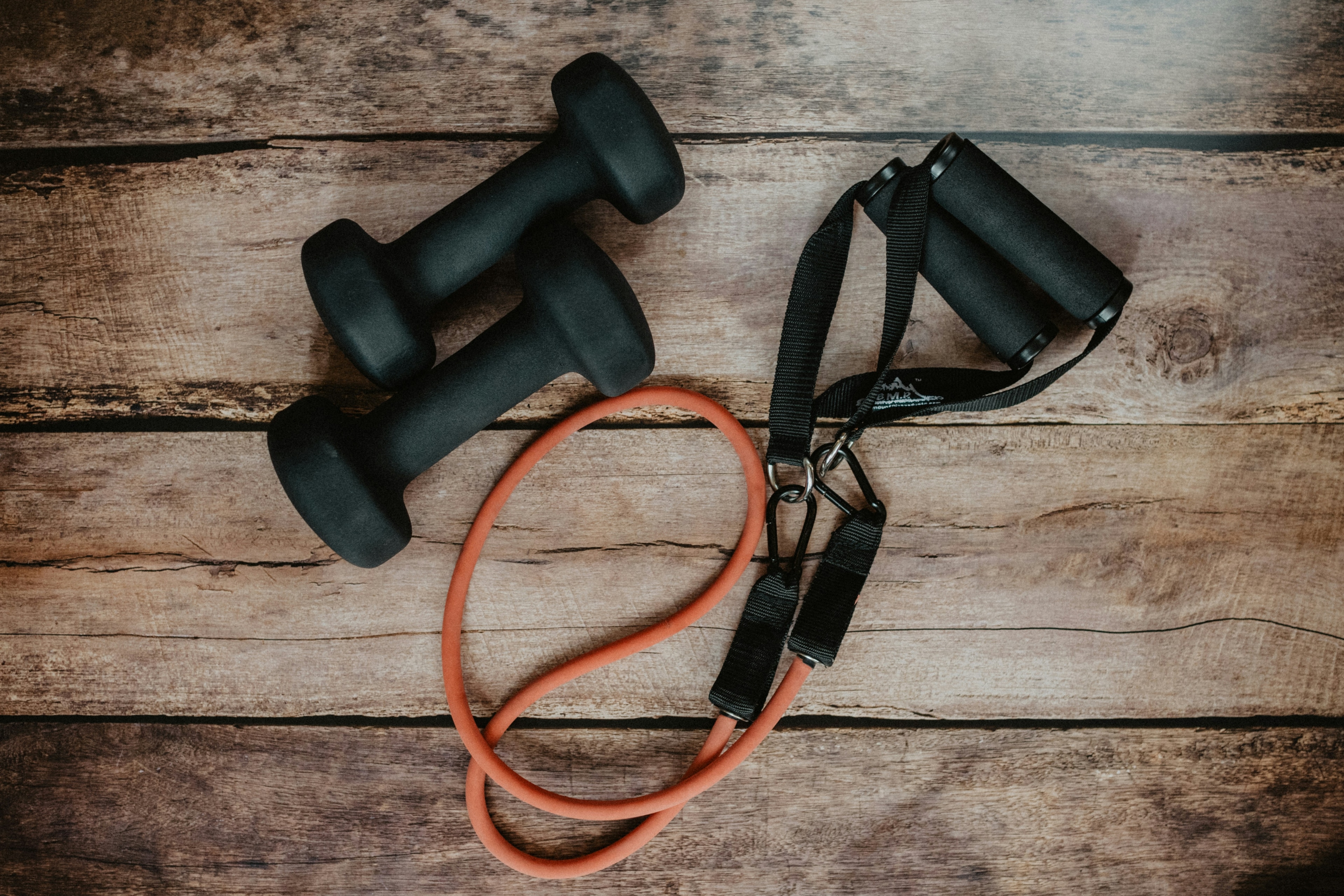
- Use Resistance Bands: These are the ultimate "budget" hack. A set of bands costs about $15 and can replicate almost any cable machine at the gym.
- Schedule Your "App Time": Treat your home workout like an appointment. If you just "do it when you have time," you won't do it.
- Mirror Your Screen: Most of these apps allow you to "Cast" or "AirPlay" to your TV. A bigger screen makes it much easier to follow the form and feel immersed in the class.
Current Trends: The Future of Budget Fitness
In 2026, we are seeing a massive shift toward "Holistic Wellness." It is no longer just about burning calories; it is about mental health and recovery. Many apps are now integrating "Mobility" and "Breathwork" into their routines.
Another trend is AI Form Correction. Some newer apps (and updates to Freeletics) use your phone’s camera to analyze your posture and tell you in real-time if your back is too rounded during a squat. This eliminates the "I don't know if I'm doing it right" fear that keeps many people stuck in expensive gym contracts.
Conclusion
You don't need to spend $800 a year to be healthy. By leveraging apps like Nike Training Club or FitOn, you can achieve professional-level results while keeping your hard-earned money in your savings account. Whether you are a single person in a studio apartment or a family of five in the suburbs, the digital fitness revolution has made health more accessible and affordable than ever before. Pick one app today, commit to a 7-minute session, and watch your bank account—and your fitness—grow.
Sources: