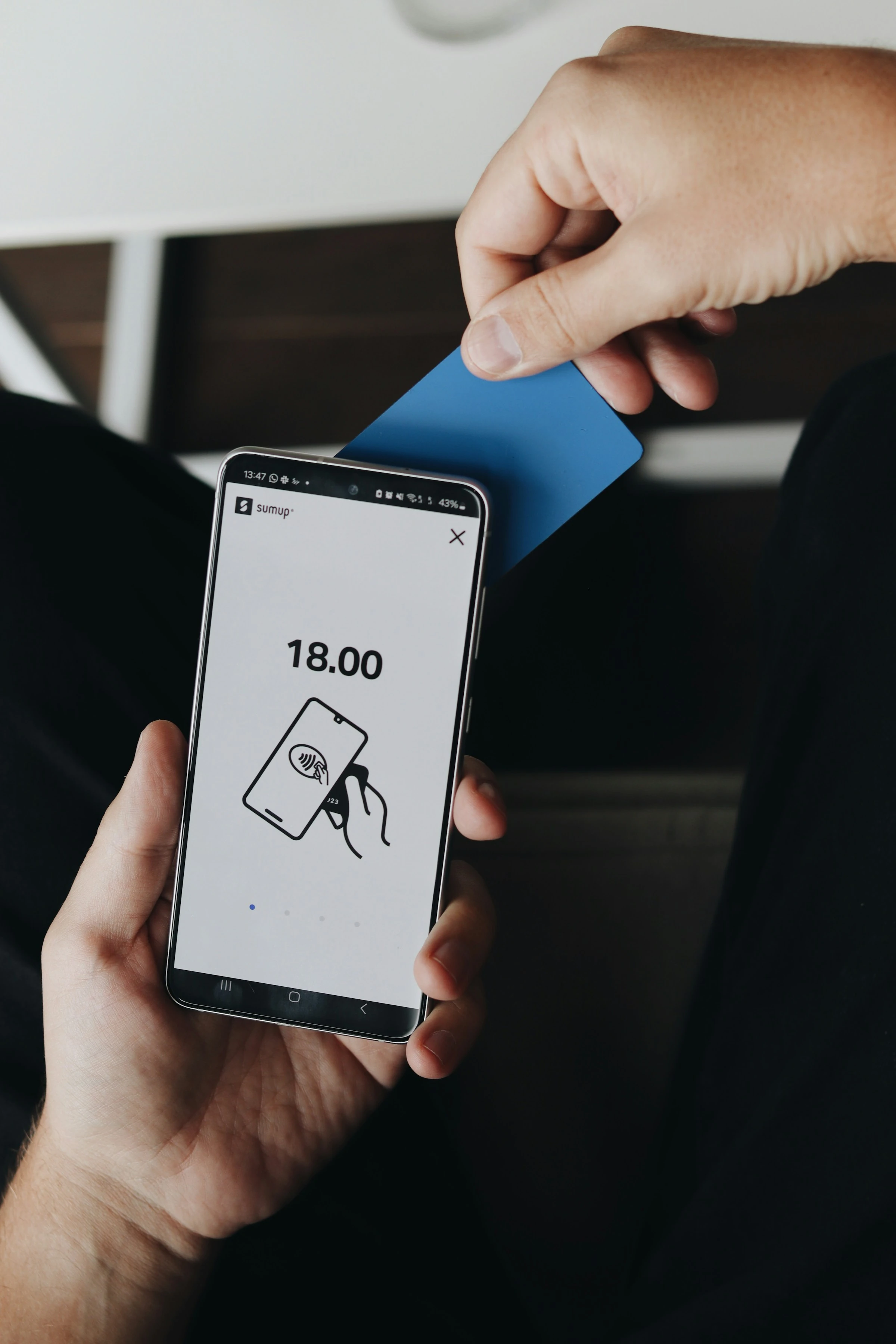

Payment-app fraud is not a small problem: U.S. consumers reported 90,571 fraud cases involving payment apps or services in 2024, with reported losses totaling $391 million. These figures are based on unverified consumer reports, not a survey, but they show why sending money deserves care (Federal Trade Commission).
So, can you get back a PayPal Friends and Family payment? Sometimes—but usually only if the payment is still unclaimed, the recipient voluntarily refunds it, or the transaction was genuinely unauthorized. A completed payment that you knowingly approved is generally difficult to reverse.
What is PayPal Friends and Family?
In the United States, PayPal treats Friends and Family payments as personal transactions. They are intended for situations such as:
- Splitting a restaurant bill
- Paying your share of household expenses
- Sending a gift
- Repaying someone you know
PayPal may label this option “Sending to a friend.” It is different from “Paying for an item or service,” which is intended for purchases.
The distinction matters because personal payments—including those sent through Friends and Family—are expressly excluded from PayPal Purchase Protection. If someone selling an item asks you to use Friends and Family, PayPal advises you to refuse because an eligible Goods and Services payment offers protections that a personal payment does not (PayPal’s scam guidance).
Can you cancel a Friends and Family payment?
Check the payment status in your PayPal Activity immediately.
If the payment is unclaimed
You may see a Cancel option if the payment went to an email address or phone number that is not connected to a verified PayPal account:
- Sign in to PayPal.
- Open Activity.
- Select the payment.
- Choose Cancel, if available.
- Follow the confirmation steps.
PayPal says unclaimed payments are automatically canceled after 30 days. In the U.S., the returned money can take up to five business days to reach a bank account or up to 30 days to reach a credit or debit card (PayPal Help Center).
Some pending payments cannot be canceled by the sender—for example, when the recipient must accept or reject a payment manually.
If the payment is completed
A completed PayPal Friends and Family payment normally cannot be canceled because the recipient has already received it. PayPal notes that most payments arrive within seconds, leaving a very short cancellation window (U.S. PayPal User Agreement).
Your first practical option is to ask the recipient for a refund:
- Open Activity.
- Select the transaction.
- Find the recipient’s contact details.
- Explain the mistake and request repayment.
This is a request, not a forced reversal. If the recipient refuses, Purchase Protection does not become available simply because you sent the money to the wrong person or later discovered a scam.
What to do in each situation
You sent money to the wrong person
Contact the recipient immediately and politely request a full refund. Keep copies of your messages and transaction details.
You should also notify PayPal, particularly if you suspect that the account or payment request is fraudulent. However, mistyping an email address or choosing the wrong recipient is your error; it is not automatically an unauthorized transaction under PayPal’s terms.
You paid a scammer yourself
Report the transaction to PayPal and ask whether any recovery option is available. You should also report the scam to the FTC at ReportFraud.ftc.gov.
Be accurate when describing what happened. If a scammer deceived you but you personally approved the payment, do not report it as “unauthorized.” PayPal defines an unauthorized transaction as money sent from your account that you did not authorize and that did not benefit you—for example, when someone steals your login credentials and sends money without permission (U.S. PayPal User Agreement).
The FTC warns that money sent through a payment app can be hard to recover and recommends reporting the transaction to the app provider and the financial institution connected to it (FTC consumer guidance).
Someone accessed your account
If you did not approve the payment:
- Report the unauthorized transaction to PayPal immediately.
- Change your PayPal password.
- Review your security settings and connected devices.
- Contact the bank or card issuer that funded the payment.
- Check your recent PayPal and bank activity for other transactions.
PayPal says its unauthorized-activity protection may cover the full qualifying amount if you cooperate and follow its reporting procedures. Its U.S. agreement also warns that waiting more than 60 days after the relevant statement was provided may reduce recovery for later losses that PayPal could have prevented with timely notice.
You bought something using Friends and Family
A Friends and Family payment is not eligible for PayPal Purchase Protection, even if the payment was really for merchandise or a service. PayPal also prohibits using a personal transaction to pay for goods or services (U.S. PayPal User Agreement).
You can still:
- Ask the seller to refund you.
- Report the seller and transaction to PayPal.
- Contact the card issuer or bank that funded the payment.
- Report suspected fraud to the FTC.
- Preserve the listing, messages, receipts, and transaction record.
If a debit or credit card funded the PayPal payment, ask the issuer whether its dispute rules apply. PayPal says card chargeback rights may be broader than its own Purchase Protection, but recovery is not guaranteed and deadlines vary by issuer and transaction (PayPal Purchase Protection terms).
Do not file conflicting or inaccurate claims. PayPal’s terms restrict pursuing a Purchase Protection claim and a card dispute for the same purchase at the same time. In any event, Friends and Family payments are not Purchase Protection claims.
Friends and Family versus Goods and Services
The following U.S. comparison is based on PayPal’s published terms and fees as of 2026-08-30.
| PayPal payment type | Appropriate use | U.S. sender or buyer fee | PayPal Purchase Protection | Recovery after completion |
|---|---|---|---|---|
| Friends and Family, funded by PayPal balance or bank account | Gifts, bill splitting and personal repayments | $0 for a domestic personal transaction | No | Recipient refund, qualifying unauthorized-transaction claim, or possible funding-provider remedy |
| Friends and Family, funded by a card | Personal payments | 2.90% plus $0.30 for a domestic USD payment | No | Same limited routes |
| Goods and Services | Buying an item or service | $0 to the U.S. buyer when no currency conversion applies; the seller pays applicable merchant fees | Yes, for eligible transactions and claims | Seller refund, eligible PayPal dispute or possible card-issuer dispute |
For international personal payments from a U.S. account, PayPal publishes an additional 5% fee, with a $0.99 minimum and $4.99 maximum. Domestic card fees may also apply, and currency conversion can add a 4% spread or another amount disclosed during the transaction. These are U.S.-account rates from PayPal’s consumer fee schedule, last updated May 19, 2026.
An illustrative fee-saving scenario
Assume you are reimbursing a trusted roommate $300 for your share of the rent in the United States. This is a genuine personal payment, not a purchase.
- PayPal balance or bank funding: $0 fee
- Card funding: $300 × 2.90% + $0.30 = $9.00
- Illustrative saving from using balance or bank funding: $9.00
That saving is not guaranteed because PayPal’s fees can change and the app should display the applicable amount before you confirm. More importantly, never use Friends and Family merely to avoid a commercial-payment fee when buying something. The small fee difference is not worth giving up Purchase Protection.
PayPal app: pros and cons
PayPal is available in the U.S. on the web, iPhone, and Android.
Pros
- Domestic personal payments funded by a bank account or PayPal balance have no PayPal fee.
- Unclaimed payments may be canceled.
- Eligible Goods and Services purchases can receive Purchase Protection.
- PayPal documents a process for reporting genuinely unauthorized activity.
- The transaction record makes it easier to identify the recipient and preserve payment details.
Cons
- Completed Friends and Family payments generally cannot be canceled.
- Personal payments are excluded from Purchase Protection.
- Card-funded and international personal payments can carry fees.
- Sending money to the wrong person is not automatically treated as unauthorized.
- Recovery from an authorized scam payment depends heavily on the recipient, PayPal’s assessment, or any separate rights offered by the funding provider.
How to reduce the risk next time
Before confirming a personal payment:
- Check the recipient’s full name, email address, phone number, or PayPal handle.
- Send a small verification payment first when paying a new recipient.
- Confirm unexpected requests by calling the person on a number you already know.
- Use Friends and Family only with people you know and trust.
- Choose Goods and Services for a purchase.
- Avoid sellers who insist that Friends and Family is the only acceptable method.
- Enable multi-factor authentication and never share login codes.
A recent FTC warning notes that scammers often demand payment through methods that make recovery difficult, including payment apps and bank transfers (FTC, July 2026).
How this comparison was researched
This researched comparison was completed on 2026-08-30 for U.S. consumers. It reviewed PayPal’s current U.S. user agreement, Purchase Protection terms, consumer fee schedule, Help Center documentation, and official U.S. app-store listings. FTC guidance supplied the broader consumer-fraud context.
The criteria were payment status, cancellation, voluntary refunds, unauthorized-transaction handling, purchase protection, fees, and U.S. platform availability. No hands-on test or original screenshot evidence was supplied. Other payment apps were excluded because they do not change the recovery rules for a payment already sent through PayPal.
The bottom line
You may recover a PayPal Friends and Family payment if it remains unclaimed, the recipient returns it, or PayPal confirms that it was genuinely unauthorized. If you knowingly completed the payment—even because of a scam—PayPal Purchase Protection does not apply, and recovery is uncertain. For purchases, Goods and Services is the appropriate payment type.