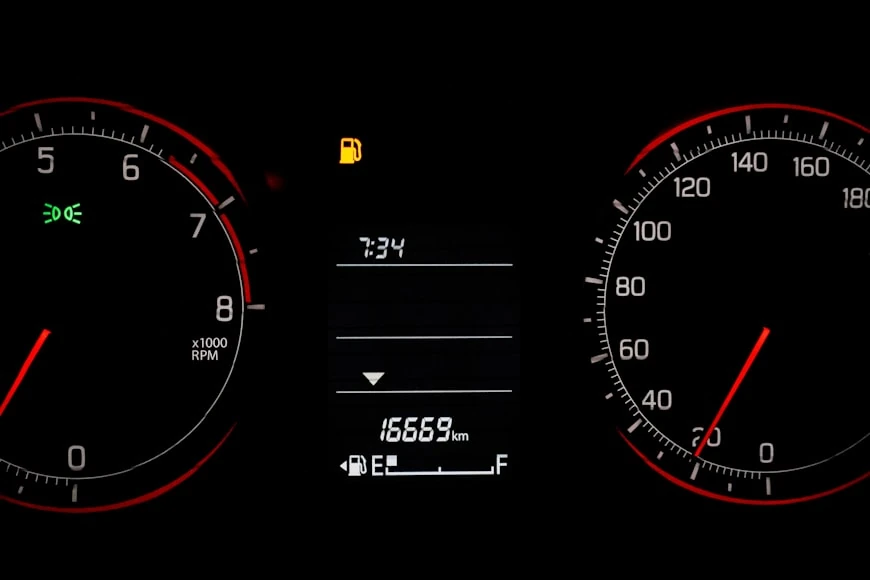

Fuel is one of those expenses that feels small at the pump but big at the end of the month. And the hidden part is this: your car’s maintenance habits can quietly change how much fuel you burn.
The U.S. Department of Energy says, “Get regular maintenance checks to avoid fuel economy problems due to worn spark plugs, dragging brakes, sagging belts, low transmission fluid, or transmission problems” (Energy.gov). That is exactly where maintenance log apps can help. They turn scattered receipts, forgotten oil changes, and rough fuel guesses into simple records you can actually use.
AAA’s 2024 driving cost data also shows why this matters for financially conscious drivers: owning and operating a new vehicle averaged $12,297 per year, or about $1,024.71 per month (AAA Mid States). Fuel is only one line in that budget, but it is one you can watch closely with the right app.
How Maintenance Log Apps Help You Save on Fuel
A maintenance log app is a digital record book for your car. You enter fill-ups, odometer readings, service work, repairs, tire changes, and sometimes trips. The app then shows patterns such as:
- Your real miles per gallon, not just the dashboard estimate
- Fuel cost per mile
- Monthly fuel spending
- Missed or upcoming maintenance
- Sudden drops in fuel economy
- Repeated repair costs by category
This matters because fuel economy problems often show up gradually. You may not notice that your car is using more gas than usual until the app shows your average MPG slipping over several fill-ups.
The numbers can be meaningful. The Department of Energy notes that idling can use one-quarter to one-half gallon of fuel per hour, depending on engine size and air conditioner use (Energy.gov). The National Highway Traffic Safety Administration also reports that a 10% reduction in tire rolling resistance can improve fuel economy by 1% to 2% (NHTSA). For a family car used every day, those small percentages add up.
What I Looked for in the Apps
I tested these apps as a budget-minded driver would: quick fill-up entry, maintenance reminders, clear fuel stats, receipt tracking, and whether the app feels realistic for normal families and singles who do not want a complicated fleet system.
The best maintenance log apps for fuel savings usually do four things well:
- Make fill-ups easy to record
- Show fuel economy trends clearly
- Remind you about service before it becomes expensive
- Help you compare fuel, maintenance, and repair costs in one place
1. Fuelio: Best Simple Fuel and Cost Tracker
Fuelio is one of the easiest apps to start with if your main goal is fuel savings. It tracks fill-ups, gas costs, fuel economy, partial fill-ups, GPS location, maintenance, repairs, parking, tolls, and other costs (Fuelio on Google Play, App Store).
In use, Fuelio feels clean and practical. Logging a fill-up is quick, and the charts make it easy to see whether your fuel economy is steady or getting worse. I liked that it supports many fuel types, including gasoline, diesel, LPG, CNG, ethanol, and electric units.
How it can save fuel:
- Tracks real MPG over time
- Shows cost per mile or kilometer
- Lets you add maintenance reminders
- Helps spot fuel economy drops after a bad repair, tire issue, or driving habit change
Pros:
- Easy for beginners
- Good charts for fuel cost and fuel consumption
- Supports multiple vehicles
- Works for petrol, diesel, hybrid, and EV tracking
- Cloud backup options are available
Cons:
- Some cost-tracking features may require the paid version
- More focused on fuel than deep service history
- Manual logging still takes discipline
Fuelio is best if you want a simple gas mileage tracker that does not feel like accounting software.
2. Drivvo: Best All-Round Vehicle Expense App
Drivvo is a broader vehicle management app for fuel, expenses, maintenance, reminders, reports, routes, and even fleet use. Its website says it tracks “fuel, expenses, maintenance and vehicle costs” and lists more than 2 million downloads with a 4.8 average rating (Drivvo).
In hands-on use, Drivvo feels more complete than Fuelio. It is useful if you want to know not only fuel spending, but also how your car really fits into your monthly budget. The reports are the strongest part. They make it easier to see whether fuel, servicing, tires, or repairs are causing your car costs to climb.
How it can save fuel:
- Logs every fill-up and calculates fuel economy
- Sends maintenance reminders
- Tracks service costs alongside fuel costs
- Helps identify when a car is becoming inefficient or expensive to keep
Pros:
- Strong dashboard and reports
- Good for multiple vehicles
- Works on Android, iOS, and web
- Tracks fuel, services, routes, income, and expenses
- Useful for rideshare, delivery, or family cars
Cons:
- More features than some casual users need
- The interface takes longer to learn
- Premium features may matter if you want full reporting
Drivvo is a good fit if you are serious about tracking your full car budget, not just fuel.
3. Simply Auto: Best for Families Sharing a Car
Simply Auto is built for fuel logs, vehicle expenses, mileage, maintenance, trips, and reminders. The app description says it tracks maintenance, fill-ups, mileage, expenses, and trips, and supports service reminders by mileage or date (Simply Auto App Store, Simply Auto).
This app stood out because it feels useful for households. If two people use the same car, or you manage a family vehicle and want receipts in one place, Simply Auto makes that easier. It also supports business and personal trip logs, which is useful if your car is partly used for work.
How it can save fuel:
- Tracks fill-ups and fuel efficiency
- Shows fuel cost per month
- Stores receipts for fuel and service
- Sends reminders before missed maintenance affects fuel economy
Pros:
- Good balance of fuel, mileage, and service tracking
- Receipt upload is useful for budgeting
- Supports multiple units, including US and UK MPG
- Can track fuel economy by fuel brand and filling station
- Helpful for shared vehicles
Cons:
- Some cloud sync and multi-driver features are paid
- Interface can feel busy at first
- Best value comes if you use receipts and reports consistently
Simply Auto is best for couples, families, and anyone who wants a shared car maintenance log app with receipts.
4. Fuelly: Best for MPG Comparison and Long-Term Trends
Fuelly is a long-running fuel economy tracker. It helps you calculate your vehicle’s fuel economy and says tracking usage over time can help you monitor driving habits and vehicle health (Fuelly). Its aCar app documentation also includes maintenance reminders and service records (Fuelly Docs).
Fuelly feels different from the others because it has a community and comparison angle. If you want to know whether your car’s MPG is normal compared with similar vehicles, Fuelly is useful. That can help you decide whether your fuel use is a driving-style issue, a maintenance issue, or simply normal for your model.
How it can save fuel:
- Tracks MPG history over time
- Helps compare your fuel economy with similar vehicles
- Supports maintenance reminders through aCar
- Makes unusual MPG drops easier to notice
Pros:
- Excellent for long-term MPG tracking
- Useful comparison data
- Web-based history is convenient
- Good for people who like simple fuel records
Cons:
- Maintenance features are less central than fuel tracking
- The experience feels less modern than newer apps
- Best results depend on consistent fill-up entries
Fuelly is best if your main SEO keyword is also your real goal: track fuel economy and understand whether your car is performing normally.
5. AUTOsist: Best for Detailed Service History
AUTOsist is more maintenance-heavy than fuel-heavy, but that can still help with fuel savings. It lets you log maintenance, fuel economy, reminders, inspections, and service history (AUTOsist App Store, AUTOsist).
When testing it, AUTOsist felt like a proper digital filing cabinet for your car. It is especially useful if you keep repair records, inspection notes, and service receipts. For a single family car, it may feel more serious than necessary. For a household with several vehicles, older cars, or a small business vehicle, it makes more sense.
How it can save fuel:
- Keeps service records organized
- Sends reminders for scheduled maintenance
- Helps avoid missed oil changes, inspections, and repairs
- Tracks fuel and maintenance in one vehicle history
Pros:
- Strong maintenance log and document storage
- Good reminder system
- Useful for older vehicles with repair history
- Works well for multiple vehicles or small fleets
Cons:
- Less lightweight than Fuelio or Fuelly
- Some features are aimed at fleets
- May be too much if you only want MPG tracking
AUTOsist is best if your car maintenance history is messy and you want a reliable service record that can also support fuel tracking.
Current Trends in Fuel and Maintenance Tracking
Maintenance log apps are becoming more than simple digital notebooks. The biggest trends are:
- All-in-one vehicle budgeting: Apps now combine fuel, repairs, insurance, parking, tolls, and service costs.
- EV and hybrid support: Fuelio and Simply Auto support electric energy units, reflecting the shift toward mixed petrol, hybrid, and EV households.
- Cloud sync and shared access: More apps now support web dashboards, multi-driver access, and family or team sharing.
- Preventive maintenance reminders: Apps increasingly focus on reminders by mileage and date, which helps you avoid missed service.
- Cost-per-mile thinking: Instead of only asking “How much was gas?”, drivers are tracking what each mile really costs.
This is useful because fuel is not isolated. A dirty filter, worn tires, dragging brake, poor alignment, or skipped service can all affect what you spend at the pump.
Quick Comparison: Which App Should You Pick?
| App | Best For | Fuel Tracking | Maintenance Reminders | Best Fit |
|---|---|---|---|---|
| Fuelio | Simple fuel and cost tracking | Yes | Yes | Singles, commuters |
| Drivvo | Full vehicle budget tracking | Yes | Yes | Families, rideshare drivers |
| Simply Auto | Shared cars and receipts | Yes | Yes | Couples, families |
| Fuelly | MPG history and comparisons | Yes | Yes, via aCar | MPG-focused drivers |
| AUTOsist | Detailed service records | Yes | Yes | Older cars, multi-car households |
Practical Ways These Apps Reduce Fuel Waste
A maintenance log app will not magically lower gas prices. What it does is make waste visible.
You can use one to:
- Notice when MPG drops for several fill-ups in a row
- Check whether fuel economy changed after new tires or repairs
- Remember oil changes and service intervals
- Track tire rotations and pressure checks
- Compare fuel stations, fuel brands, or octane levels
- See whether one driver or route uses more fuel
- Budget fuel before the month gets away from you
For financially conscious households, that visibility is the real win. You stop guessing and start seeing patterns.
Common Mistakes to Avoid
Even the best car maintenance tracker is only as good as the data you enter. Try to avoid these mistakes:
- Logging only some fill-ups
- Forgetting odometer readings
- Mixing partial and full fill-ups without marking them
- Ignoring maintenance reminders
- Tracking fuel but not repairs
- Comparing one bad tank instead of several fill-ups
- Using dashboard MPG as your only number
A good habit is to log fuel while you are still at the pump. It takes less than a minute and keeps the record accurate.
Final Thoughts
Maintenance log apps help you save on fuel by showing the link between car care, driving habits, and real fuel costs. Fuelio is the simplest starting point, Drivvo gives the best full-budget view, Simply Auto works well for shared vehicles, Fuelly is strong for MPG comparisons, and AUTOsist is best for serious service history.
The biggest benefit is not one dramatic saving. It is the steady control you get from knowing when your car is using more fuel than it should.
References
- U.S. Department of Energy: Fuel Economy
- AAA Mid States: Your Driving Costs 2024
- NHTSA: Tire Safety Ratings and Awareness
- Fuelio on Google Play
- Fuelio on the App Store
- Drivvo Official Website
- Simply Auto Official Website
- Simply Auto on the App Store
- Fuelly Official Website
- Fuelly aCar Reminders Documentation
- AUTOsist Official Website
- AUTOsist on the App Store