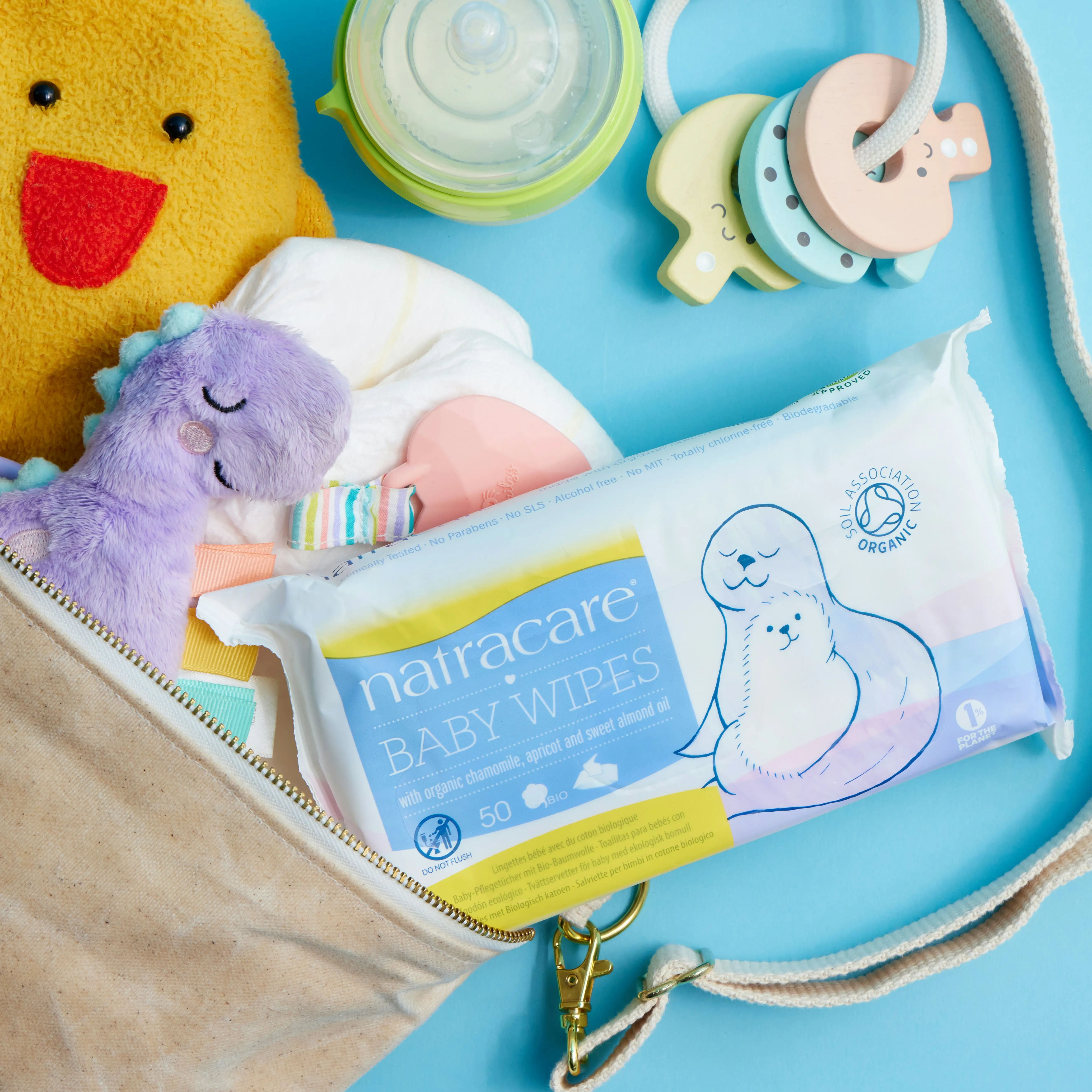

Baby stuff has a sneaky way of turning into “small” purchases that hit your budget every single week. Case in point: disposable diapers can cost $70–$80 per month per baby—that’s $840–$960 per year if your baby stays in disposables.[^1] When you’re buying diapers, wipes, diaper cream, formula, and all the random “oh wow we’re out again” items, saving even a little per trip matters.
This is where price-compare apps earn their keep: they help you compare across stores, across weeks, and across deal types (sale price, digital coupons, promo codes, cashback, receipt rewards) so you’re not guessing.
How price-compare apps actually save you money
Think of price-compare apps as a “deal layer” on top of your normal shopping. Instead of checking five retailers manually, you do one of these:
- Scan/search an item (barcode or product link) to compare sellers and get alerts when the price drops.
- Check weekly ads to see which local store has your exact baby item on promo this week.
- Auto-try coupon codes at checkout so you don’t waste time testing 12 codes that don’t work.
- Stack rewards (cashback + receipt points) on purchases you were already making.
One quick reality check: the “best deal” is rarely just the lowest shelf price. It’s usually:
Final cost = item price + shipping/tax − coupons − cashback/rebates + your time/effort
The apps below help you optimize that equation without turning your life into a spreadsheet.
A simple “tested” workflow (that doesn’t eat your day)
Here’s the routine I’d actually use for baby staples (diapers, wipes, diaper cream):
- Set a target unit price (ex: cost per diaper) so you can spot a real deal fast.
- Newborns can go through up to ~10 diapers/day (often quoted around ~70/week).[^2] That’s exactly why unit price matters more than “$5 off a box.”
- Check weekly promos first (local ad app), then verify online (barcode/price-compare app).
- At checkout, run coupon automation (where available).
- Finish with cashback/receipt rewards if it’s low effort and you’ll actually redeem.
App #1: ShopSavvy (best for barcode price checks + price history)
When I’m standing in a store with a box of diapers in my hand, ShopSavvy is the closest thing to an instant reality check. You can scan a barcode or search a product and compare prices across sellers, plus set price-drop alerts.[^3]
How I’d use it for baby supplies
- Scan diapers/wipes in-store to see if the online price (or another nearby store) is meaningfully lower.
- Watchlist “boring repeats” like your preferred wipes bundle so you get notified when it dips.
Pros
- Fast barcode scanning and broad price comparisons.[^3]
- Price-drop alerts reduce “buying at the peak.”[^3]
- Useful for both in-store and online shopping.
Cons
- Not every listing matches perfectly (different pack sizes, “new vs. subscribe,” third-party sellers).
- Best results take a few seconds of checking that you’re comparing the same count/size.
App #2: Flipp (best for weekly ads + “what’s on sale near me”)
Flipp is basically a weekly-ad search engine: you can browse local circulars, search for items, and build a list that shows where each item is on sale.[^4] For baby supplies, this is huge because diapers and wipes often rotate through promos by store.
Flipp also claims that, in a user study, people could save an average of $49/week using the app.[^5] (Treat that as a “potential,” not a promise—your savings will depend on what you buy and where you live.)
How I’d use it for baby supplies
- Search “diapers size 3” or your brand name and compare this week’s promos across nearby stores.
- Build a recurring list (diapers, wipes, diaper rash cream) so sale-spotting is basically automatic.
Pros
- Quick way to compare local deals without opening 10 store apps.[^4]
- Helps you plan: buy staples when they’re discounted, not when you’re desperate.[^4]
Cons
- Weekly ads don’t always show every variant/pack size (you still need to confirm unit price).
- Some deals depend on loyalty programs, regional availability, or in-store stock.
App #3: PayPal Honey (best for effortless coupon testing online)
For online baby shopping (especially when you’re sleep-deprived), Honey is the “set it and forget it” coupon helper. It searches for coupon codes and can automatically apply/test them at checkout (depending on where you’re shopping).[^6]
How I’d use it for baby supplies
- Use it for online orders of diapers, wipes, baby toiletries, bottle supplies—anything where promo codes might exist.
- If you’re buying from multiple baby retailers, coupon automation saves time and catches discounts you’d otherwise miss.
Pros
- Automated coupon search/testing reduces manual coupon hunting.[^6]
- Low effort: it runs during checkout (when you actually need it).[^6]
Cons
- Coupon tools don’t always find a working code (sometimes there just isn’t one).[^6]
- Like many shopping extensions, it’s worth understanding how rewards/attribution works before you rely on it for everything.[^7]
App #4: Rakuten (best for cashback stacking on bigger orders)
Rakuten is a cashback platform: you start from the Rakuten app/site/extension, activate cashback for a store, shop as usual, and cashback gets added to your account after the store confirms the purchase.[^8]
How I’d use it for baby supplies
- Use it for higher-ticket baby orders (nursery items, stroller accessories, bulk diaper orders) where a percentage back actually moves the needle.
- Stack it on top of sales you already found (this is how it’s meant to work).
Pros
- Straightforward “activate cashback → shop → get paid” flow.[^8]
- Can be meaningful on large orders, especially when combined with sales.
Cons
- You generally have to start your shopping trip through Rakuten for it to track.[^8]
- Cashback can be delayed and may exclude certain categories/items per store terms.[^8]
App #5: Fetch (best for turning receipts into small but real returns)
Fetch rewards you for scanning receipts and also supports points for eligible online purchases and offers.[^9] The big reason I’d include it in a baby-supplies strategy: you’re buying essentials constantly anyway, and receipts are easy to capture.
Fetch also states you’ll earn at least 25 points for every scan (with higher points possible for participating brands/offers).[^10]
How I’d use it for baby supplies
- Scan every grocery/club-store/pharmacy receipt that includes baby items.
- Check for brand offers before buying formula/wipes/diapers (when you have the energy).
Pros
- Low-effort habit: scan receipts you already have.[^10]
- Can stack with other savings methods (sales, coupons, cashback).
Cons
- Rewards vary a lot by brand participation and current offers.
- Points systems can feel slow if you don’t scan consistently.
Practical savings examples (with real numbers)
Example 1: Diapers—why unit price beats “box price”
If diapers run $70–$80/month, that’s $840–$960/year.[^1] If a price-compare workflow helps you cut even 10%, that’s roughly $84–$96/year back in your pocket—on diapers alone. (That’s not a fantasy scenario; it’s the kind of incremental win these apps are designed to find.)
Example 2: Matching your buying schedule to real usage
Newborns may use up to ~70 diapers/week.[^2] That’s why “waiting for the perfect deal” can backfire—because you’ll run out and pay full price. The smarter play is:
- keep a small buffer (so you’re not forced into emergency buys), and
- use weekly-ad + price alerts so you buy when the price dips, not when your stash hits zero.
What’s changing right now (trends worth knowing)
- Price history + alerts are becoming standard. Apps increasingly push you to “watch” staples and buy on dips (ideal for diapers/wipes you’ll need anyway).[^3]
- Deal-stacking is the new normal. The best savings often come from combining a sale price with coupons/cashback/receipt points.[^6][^8][^10]
- Household stress around essentials is rising. A nationally representative study commissioned by the National Diaper Bank Network found 47% of families reported diaper need in 2023.[^11] As the organization’s CEO put it: “This disturbing increase is consistent with what we know about the growing gap between wages and the cost of basic necessities.”[^12]
Conclusion
If you’re trying to spend less on baby supplies without sacrificing quality, price-compare apps help because they reduce guesswork. Use one app to find local promos, one to verify prices (and set alerts), and one or two to stack coupons/cashback/receipt rewards—then let the tools do the repetitive work.
References
[^1]: Child Parent Institute (CPI Diaper Project), “About the CPI Diaper Project” (facts attributed to National Diaper Bank Network): https://calparents.org/what-we-do/parent-support-services/diaperproject/about-our-diaper-bank.html
[^2]: Pampers, “How Many Newborn Diapers Do You Need?” https://www.pampers.com/en-us/baby/diapering/article/how-many-newborn-diapers-do-you-need
[^3]: ShopSavvy, “Get the ShopSavvy App” (features: barcode scan, price comparisons, price drop alerts): https://shopsavvy.com/app
[^4]: Flipp, “Weekly Ad Circulars, Deals & Online Coupons” (browse weekly ads, search, shopping list, digital coupons): https://flipp.com/en-us
[^5]: Flipp, app landing page (claim of average savings from Sept 2023 research with US/CA users): https://app.flipp.com/
[^6]: PayPal, “The Complete Guide to Using PayPal Honey” (how Honey finds and applies coupons): https://www.paypal.com/us/money-hub/article/guide-to-using-paypal-honey
[^7]: The Verge (Dec 23, 2024), reporting on allegations/controversy around Honey’s affiliate behavior: https://www.theverge.com/2024/12/23/24328268/honey-coupon-code-browser-extension-scam-influencers-affiliate-marketing
[^8]: Rakuten Help, “How Does Rakuten Work?” https://www.rakuten.com/help/article/how-to-earn-cash-back-115009254868
[^9]: Fetch Help Center, “Earning Points from Online Purchases” https://help.fetch.com/hc/en-us/articles/39297108707603-Earning-Points-from-Online-Purchases
[^10]: Fetch Blog, “Learn How to Use Fetch and Get Extra Points” (includes “at least 25 points for every scan”): https://fetch.com/blog/fetch-tips-tricks/learn-how-to-use-fetch-and-get-extra-points
[^11]: National Diaper Bank Network, “The NDBN Diaper Check 2023” (major findings; 47% reported diaper need): https://nationaldiaperbanknetwork.org/the-ndbn-diaper-check/
[^12]: National Diaper Bank Network, “2023 Annual Report” (CEO quote about growing gap between wages and basic necessities): https://nationaldiaperbanknetwork.org/2023-annual-report/