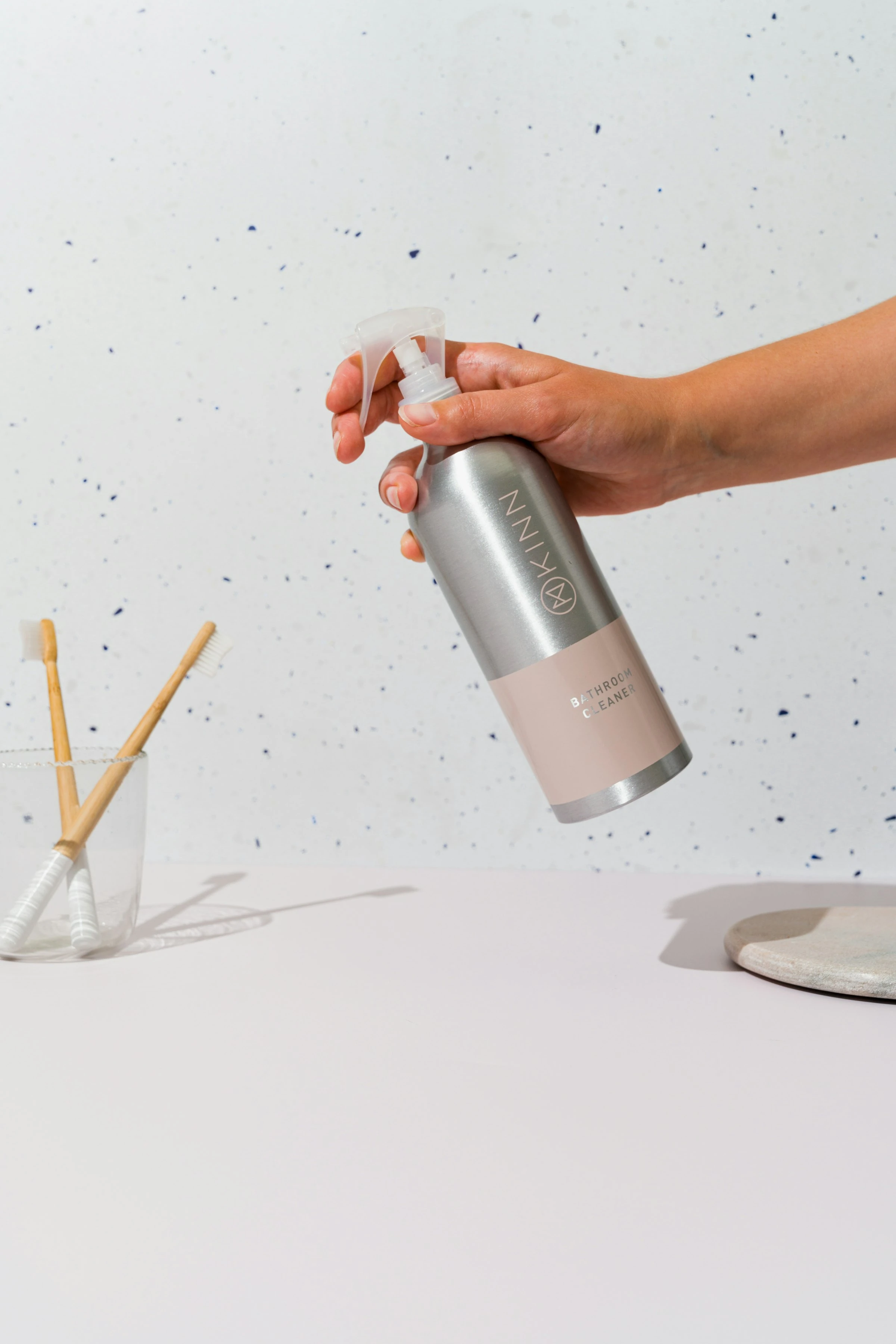

Most cleaning products still come with a hidden extra cost: the bottle. In the U.S., containers and packaging made up 82.22 million tons of municipal solid waste in 2018, or 28.1% of the total, according to the EPA. That is a big reason refill apps are getting more attention. You are not just paying for cleaner anymore. You are paying for water, packaging, shipping bulk, and the convenience of replacing the whole thing every time.
What “save on cleaning supplies with refill apps” really means
A refill app helps you buy cleaning products in a cheaper, lower-waste format. Usually that means one of three models:
- Concentrates or tablets you mix with water at home
- Subscription refills that stop you overbuying and running out
- Refill station locators that show nearby shops or pods where you can top up your own container
The savings usually come from buying less packaging, less water, and more exact quantities. There is also a waste angle. The EPA says plastic containers and packaging had a recycling rate of just 13.6% in 2018 (EPA). So if you can reuse the same bottle again and again, that matters.
That is also why refill keeps showing up in industry reports. The Ellen MacArthur Foundation found that 91% of household and personal care signatories reduced virgin plastic packaging between 2020 and 2021, and 75% were focused on refill-at-home models in 2021 (Ellen MacArthur Foundation). Or, as packaging expert Daniel Johnson told TIME, “For the right product category and the right supply chain, the effect can be huge” (TIME).
5 apps that make refills practical
1. Grove Collaborative
Grove Collaborative app is the closest thing to a normal household-shopping app that also makes refilling easy. The app lets you manage scheduled orders, and Grove’s refill system is built around reusable bottles and concentrates. On Grove’s own site, its cleaning concentrate line is framed around “refill forever” and reusable spray bottles (Grove).
In use, this one feels easiest for busy families because it behaves like a standard shopping app. You browse, edit your next box, and avoid the “I forgot bathroom spray again” problem.
Pros
- Easy subscription management
- Strong range of cleaning concentrates
- Familiar shopping experience
- Good fit if you already buy household basics online
Cons
- Best value depends on building regular orders
- Less useful if you want local refill stations instead of delivery
- Privacy disclosure on the App Store notes tracking and linked purchase data (App Store)
2. Smart Refill
Smart Refill is more direct: it helps you find nearby refill pods for detergents and household cleaners. The app description says it is designed to help users “refill cleaning products, track your impact, and save” (App Store).
This is the kind of app I would pick if your main goal is simple budgeting. You bring your own bottle, refill only what you need, and avoid buying another branded container.
Pros
- Built specifically around refill pods
- Good match for detergent and home-care refills
- Helps you buy by quantity instead of by pre-set pack size
Cons
- Geographic coverage matters a lot
- iPhone listing is easy to find, but global availability still looks limited
- Better for people who already have refill points nearby
3. Refill Return
Refill Return started as the Refill app and has broadened into refill, borrow, and return options. Its official site says the platform now has 330,000 stations and more than 650,000 downloads (Refill Return). Refill also says its app can help users find places for cleaning products and toiletries alongside food and drink refills (Refill).
This one is strongest as a discovery app. If you want to build a cheaper low-waste routine around local shops, this is a practical starting point.
Pros
- Large station network
- Useful beyond cleaning, which makes the app more worth keeping
- Good for people who like local refill shopping
Cons
- Coverage can be uneven by country and city
- Some App Store reviews still complain about missing local locations outside core markets (App Store)
- Best results depend on local participation
4. Go Zero Waste
Go Zero Waste is not a cleaning-only app, but it is practical if your refill habit starts with finding bulk and zero-waste shops near you. The app says it helps users find “stores, products and services near you” and specifically lists bulk stores and reuse services on its map (App Store).
In a real household routine, this is useful when you do not want another subscription. You just want to know where nearby refill or package-free options exist before you shop.
Pros
- Helpful store-finder for local zero-waste shopping
- Good for combining cleaning refills with food and household errands
- Includes tips and challenges, which can help habits stick
Cons
- Savings depend on what is available in your area
- Less direct than apps that let you order cleaners inside the app
- App updates appear less frequent than larger retail platforms (App Store)
5. ZeroWasteStore
ZeroWasteStore’s app is basically a low-waste shopping app with rewards and app-only offers. It is useful for refillable cleaning because the store sells refill tablets and laundry alternatives. For example, its Cleaning Refill Tablets start at $2.49, or $2.25 on subscription, and each tablet fills a 16 oz bottle.
This one feels best for singles or smaller households who want control. You can buy a few refill products at a time instead of locking into a large recurring household order.
Pros
- Clear refill products for cleaning
- App-only offers and rewards can improve value
- Useful if you want refill tablets and low-waste laundry products in one place
Cons
- More of a refill-shopping app than a refill-locator app
- Product range is broad, so you need to filter carefully
- Privacy disclosure also notes tracking and linked data (App Store)
Which type of app saves the most money?
It depends on how you shop.
- For predictable repeat buying: Grove Collaborative usually makes the most sense.
- For buying only what you need: Smart Refill can be better.
- For finding the cheapest local refill option: Refill Return and Go Zero Waste are stronger.
- For smaller, flexible online orders: ZeroWasteStore is easier to control.
A simple rule helps: refill apps save the most when they remove impulse buying and extra packaging at the same time. If an app makes you order more than you need, or pay high shipping for small baskets, the refill idea is less impressive financially.
Current trends worth watching
Refill is moving from niche to normal, but it is still uneven. The Associated Press reported in February 2026 that refill stores have opened in growing numbers as shoppers and retailers look for ways to cut packaging waste. Consumer demand is there too: an IGD survey cited by the Ellen MacArthur Foundation found 78% of 2,000 UK shoppers wanted more big brands to offer refill and reuse options.
What is changing now is convenience. The better apps no longer treat refilling as a side project for ultra-committed zero-waste shoppers. They are trying to make it feel as easy as any grocery or household order. That matters, because refill only saves money and waste if you actually keep using it.
The practical takeaway
If you are trying to cut household spending, refill apps work best when they solve a boring problem well: buying cleaner without paying for another throwaway bottle. Grove Collaborative and ZeroWasteStore are easiest for online refill shopping. Smart Refill is promising if you have nearby pods. Refill Return and Go Zero Waste are the better fit if you want local refill stations and less packaging in general.
The real win is not dramatic. It is steady. Fewer bottles, fewer emergency purchases, and fewer overpriced cleaning products that are mostly water.
References
- U.S. EPA: Advancing Sustainable Materials Management, 2018 Fact Sheet
- Ellen MacArthur Foundation: Household and Personal Care Insights, 2022
- Ellen MacArthur Foundation: The Rise of Single-Use Plastic Packaging Avoiders
- TIME: Is Reusable Packaging Actually Better for the Environment?
- Associated Press: Refill Stores and Other Ways to Curb Packaging Waste
- Grove Collaborative App on the App Store
- Grove Collaborative: Cleaning Concentrates
- Smart Refill on the App Store
- Refill Return on the App Store
- Refill Return: Introducing Refill Return
- Refill: Reduce, Reuse, Refill and Repeat
- Go Zero Waste on the App Store
- ZeroWasteStore App on the App Store
- ZeroWasteStore: Cleaning Refill Tablets