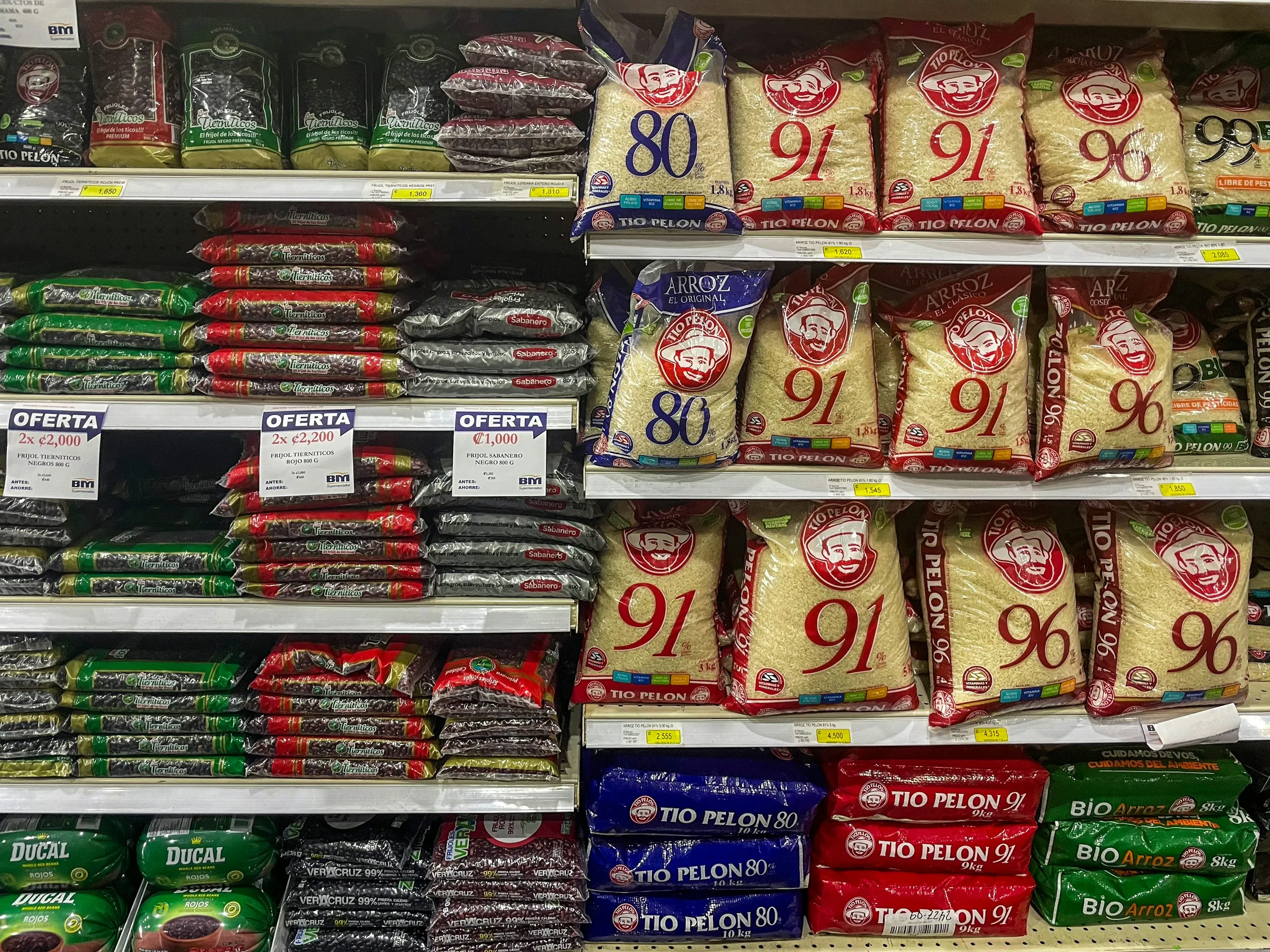

Food-at-home prices in the U.S. rose 1.2% in 2024 and are forecast to rise another 2.3% in 2025, according to the USDA’s Economic Research Service (USDA ERS). That helps explain why store apps are no longer just a nice extra. They have become one of the easiest ways to lower the cost of household essentials without changing where you shop.
After digging through the latest store features, coupon systems, and loyalty programs, one thing stood out: these apps work best when you use them before you go into the store, not while you are already standing in the detergent aisle. A 2024 Harris Poll conducted for UNFI found that 43% of Americans use digital coupons at their local grocery store through a smartphone app, compared with 23% who still use paper circular coupons (UNFI). And in 2025, 45% of U.S. adults said they use a loyalty digital or mobile app with their primary grocery store, according to EMARKETER reporting on VTEX and Dynata data (EMARKETER).
How saving with store apps actually works
At the simplest level, store apps help you save in four ways:
- They let you clip digital coupons
- They give you loyalty rewards or cash back
- They show weekly deals and personalized offers
- They make pickup or same-day delivery easier, which can reduce impulse buys
That last point matters more than people admit. If you build your basket in the app first, you usually spot duplicates, skip random extras, and compare sizes more calmly.
There is a catch, though. Some discounts are now app-only. As the AP reported in late 2024, these offers “can offer significant savings but generally require customers to electronically clip a coupon located in a grocer's app or on its website” (AP News). So if you want the lower shelf price, the app often is the price.
1. Kroger app
The Kroger app is one of the strongest all-round options for everyday household shopping. Kroger says the app offers “$100s in coupon savings every week” through digital coupons (Kroger).
When I tested the setup, this felt closest to a classic grocery savings workflow: open the weekly ad, clip coupons, build a list, and then check out with your loyalty account attached. It is especially useful for repeat purchases like toilet paper, laundry detergent, dish soap, pantry basics, and snacks.
What works well
- Strong digital coupon system
- Weekly ad and loyalty offers are easy to pair
- Good for planning full household shops
- Useful if Kroger is already your main supermarket
What doesn’t
- Savings depend on clipping offers in advance
- Some digital deals can feel overly specific or brand-led
- Best results come if you already shop there regularly
Best for: families doing one larger weekly shop
2. Target app
Target’s app is more polished than most, and it is especially practical if you buy a mix of groceries, toiletries, baby supplies, and cleaning products in one trip. Target says a quick sign-up in the app unlocks automatic deals and personalized offers through Target Circle, while Drive Up is built directly into the app (Target Circle, Target Pickup & Delivery).
In testing, the big advantage here was convenience. The app makes it easy to load deals, check whether essentials are in stock, and use free Drive Up instead of wandering the store and adding “just one more thing.”
What works well
- Clean app design
- Free Drive Up is genuinely useful for controlled spending
- Good mix of household goods, baby items, and pantry products
- Target Circle offers are easy to activate
What doesn’t
- Best savings sometimes sit behind Target’s wider loyalty ecosystem
- Same-day delivery perks improve a lot with the paid Circle 360 tier
- Prices are not always the lowest unless you actively stack deals
Best for: singles and families who want speed, fewer impulse purchases, and easy pickup
3. CVS app
CVS is not where I would do a full weekly household shop, but it is surprisingly good for small essential runs, especially health items, paper goods, and cleaning products when promotions line up. CVS says you get an ExtraBucks Rewards coupon in the CVS app every time you shop, and ExtraCare members can access offers directly in the app or on CVS.com (CVS ExtraCare, CVS Coupon Policy).
When I looked at it as a “top-up” app rather than a main shopping app, it made more sense. It is strongest when you need toothpaste, shampoo, detergent, tissues, vitamins, or medicine and can stack app coupons with store rewards.
What works well
- Strong coupon-and-reward culture
- Easy to find app-based offers
- Good for health, personal care, and emergency essentials
- ExtraBucks can make repeat trips cheaper
What doesn’t
- Shelf prices can be high without offers
- You need to watch the math closely
- Better for targeted deals than broad basket savings
Best for: shoppers who do smaller, tactical savings runs
4. Walgreens app
The Walgreens app is another strong option for quick household top-ups. Walgreens says myWalgreens members can sign up in the app and earn 1% Walgreens Cash rewards storewide, and the app supports pickup in as little as 30 minutes in many stores (myWalgreens, Walgreens Pickup Help).
In practice, this app works best when you need convenience without giving up every chance to save. I liked how quickly I could check local stock and move from deal browsing to pickup. For basics like pain relief, soap, razors, paper products, and household cleaners, that speed matters.
What works well
- Fast pickup option
- Rewards are simple to understand
- Easy for unplanned essentials
- Same-day delivery is available in many areas, with free delivery over $35 on eligible orders (Walgreens Delivery)
What doesn’t
- Base pricing can be weaker than supermarkets or big-box stores
- Savings are better on promotions than on everyday prices
- You need to pay attention to coupon terms
Best for: convenience-focused shoppers who still want app-based savings
5. Dollar General app
If your priority is stretching a tight essentials budget, the Dollar General app is one of the most practical tools here. Dollar General says the app gives you access to hundreds of dollars in savings every week, plus digital coupons, weekly ads, DG Cash Back offers, and a cart calculator so you can track your total while shopping (Dollar General App, Dollar General Terms).
In testing, this app felt the most budget-driven. It is not the prettiest app, but it is built for price-sensitive shopping. The cart calculator is especially useful if you are trying to stay under a strict weekly number.
What works well
- Strong value focus
- Digital coupons are central, not hidden
- Cart calculator helps with budgeting
- Good for cleaning supplies, paper goods, and pantry staples
What doesn’t
- App experience is less polished than Target’s
- Coupon rules can take a minute to learn
- Delivery orders through DoorDash do not take Dollar General coupons, so in-app or in-store use is usually better for savings (Dollar General DoorDash FAQ)
Best for: shoppers on a strict budget who want the most direct coupon-style savings
Current trends worth knowing
A few things are changing fast:
- App-only discounts are becoming normal. That creates better digital deals, but it also means shoppers who do not use apps can miss out (AP News).
- Pickup is becoming a savings tool, not just a convenience tool. Target, Walgreens, and others now push app-based pickup heavily because it keeps shopping fast and more controlled (Target, Walgreens).
- Rewards are replacing old-school coupon clipping. Instead of one-off paper coupons, stores now want you inside their loyalty systems, where deals are personalized and easier to track.
Which app is best?
If you want the best grocery-focused savings tool, I would start with Kroger.
If you want the smoothest overall experience, Target is the easiest to live with.
If you want quick tactical savings on health and personal care items, CVS and Walgreens both work well.
If you are watching every dollar, Dollar General is probably the most budget-minded option.
The main takeaway is simple: store apps save the most money when you use them before you shop, not after you have already filled your basket. For household essentials, that small habit change can make a real difference.
References
- USDA ERS: Food Price Outlook Summary Findings
- UNFI / Harris Poll: Nearly Twice as Many Americans Use Smartphone App Coupons Compared to Paper Circular Coupons
- EMARKETER: App-only coupons pull shoppers to digital tools
- AP News: Stop & Shop is using grocery store kiosks to make digital-only deals available to more customers
- Kroger Mobile App
- Target Circle Fact Sheet
- Target Pickup & Delivery
- CVS ExtraCare Overview
- CVS Coupon Policy
- myWalgreens
- Walgreens Pickup Help
- Walgreens Same Day Delivery
- Dollar General App
- Dollar General Terms and Conditions: Digital Coupons
- Dollar General DoorDash FAQ