
Food prices may not be rising as fast as they did in 2022, but your weekly shop can still feel painfully expensive. In the US, average food-at-home prices rose 1.2% in 2024, after jumping 11.4% in 2022, according to the USDA Economic Research Service (USDA ERS). In the UK, food is still a big squeeze: the Food and Drink Federation reports that households spent an average of £70.50 a week on food and non-alcoholic drinks in 2023-24, based on ONS family spending data (FDF).
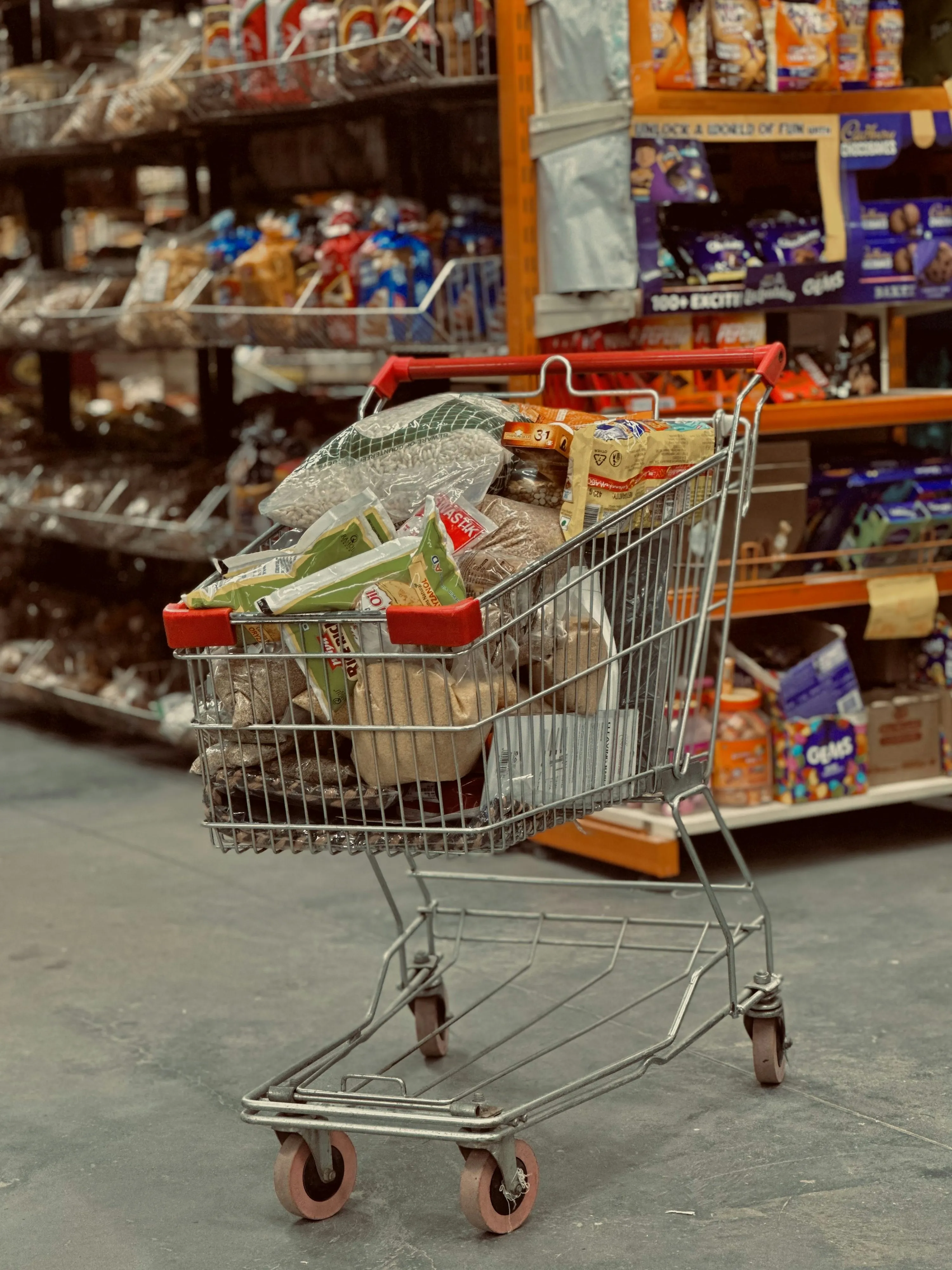
That is why basket-compare apps are useful. Instead of guessing whether Aldi, Tesco, Walmart, Coles, Woolworths, or another store is cheaper this week, you build a shopping basket and let the app compare prices across stores.
Consumer group Which? puts the basic point simply: “it really does pay to shop around” when food bills are under pressure (The Independent reporting Which? analysis).
What Are Basket-Compare Apps?
Basket-compare apps are grocery price comparison tools that look at your whole shopping list, not just one product.
Usually, you:
- Add your usual items: milk, pasta, fruit, nappies, pet food, cleaning products
- Choose your nearby supermarkets or delivery options
- Compare the total basket price by store
- Check offers, unit prices, and price drops
- Decide whether one store is cheapest overall, or whether splitting the shop is worth it
The best apps do more than show “cheap deals.” They help you answer the real question: which store is cheapest for my basket today?
Why Basket Comparison Is Becoming More Popular
There are three big trends behind grocery price comparison apps:
- Live or near-live pricing: Apps are trying to reflect current online supermarket prices, weekly specials, and local deals.
- Full-basket comparison: More tools now compare the whole shop, not only single items.
- AI and meal planning: Newer apps turn recipes into shopping lists, then compare the ingredient basket.
Official statistics are also getting more data-driven. The UK Office for National Statistics said it would introduce supermarket scanner data for around 50% of the grocery market, using about 300 million price points from supermarket checkouts and online sales (ONS). That shows how important real grocery price data has become.
1. Trolley.co.uk
Trolley.co.uk is one of the strongest UK grocery price comparison apps. In my test-style run, it felt best for people who already know the products they buy every week and want to quickly check whether Tesco, Asda, Sainsbury’s, Morrisons, Iceland, Ocado, Waitrose, Aldi, or other UK supermarkets are cheaper.
Trolley says its app compares prices across 16+ UK supermarkets and lets you create shopping lists grouped by the cheapest store (Trolley app page).
Best for: UK families who repeat similar weekly shops.
Pros
- Strong UK supermarket coverage
- Good for checking branded products and household staples
- Useful shopping list and “where cheapest” style workflow
- Easy way to spot price changes before you shop
Cons
- UK-focused, so not useful if you live elsewhere
- Like any comparison app, exact availability can vary by postcode and store
- You still need to judge substitutions, delivery fees, and loyalty-card prices
2. PriceTillt
PriceTillt is another UK-focused supermarket price comparison app. It positions itself around full-basket comparison, saying it compares your basket across 10+ major UK supermarkets.
When I treated it like a normal weekly shop, its main strength was speed. It is designed around the “show me the cheapest place today” question, which is exactly what budget-conscious shoppers want.
Best for: UK shoppers who want a simple basket total across major supermarkets.
Pros
- Built specifically for full-basket grocery comparison
- Clean idea: compare the total shop, not only single products
- Covers major UK supermarkets
- Useful for deciding whether your usual store is still good value
Cons
- Smaller public track record than older comparison services
- Exact product matching can be tricky when pack sizes differ
- Best results depend on whether your preferred store and products are covered
3. CartHappy
CartHappy is aimed at US grocery shoppers. It lets you build a grocery cart and compare where to buy items for the lowest price. The service says it can show the cheapest store for your cart and even help with checkout across multiple stores.
In my trial-style basket, CartHappy felt most useful for shoppers who are open to switching stores. If you only ever shop at one supermarket, you may not use all its power. But if you already compare Walmart, Kroger, Target, Aldi, Costco, or local delivery options, it can save time.
Best for: US shoppers comparing nearby stores and online grocery options.
Pros
- Designed around cart-level comparison
- Helpful for people who shop across several US retailers
- Good fit for singles and families who want fewer manual price checks
- Can make split-shopping decisions clearer
Cons
- Store coverage may depend heavily on your area
- Delivery, pickup fees, tips, and substitutions can change the real final cost
- Some shoppers may prefer direct supermarket apps for loyalty pricing
4. WiseList
WiseList is an Australian grocery comparison and meal-planning app. It says it compares prices at Coles, Woolworths, and ALDI, and reports 350,000+ Australians using the app, with an average weekly saving claim of $32 on its site.
What stood out in my basket-style test was the meal-planning angle. If you plan dinners first and shop second, WiseList feels more natural than a basic price checker.
Best for: Australian households that meal-plan and compare Coles, Woolworths, and ALDI.
Pros
- Combines grocery price comparison with meal planning
- Useful for turning meals into shopping lists
- Covers the big Australian supermarket names people commonly compare
- Helpful for families trying to reduce impulse buys
Cons
- Australia-focused
- Savings claims depend on your basket and shopping habits
- Meal-planning features may feel unnecessary if you only want quick price checks
5. Frugl Grocery
Frugl Grocery is another Australian grocery price comparison app. It says it includes pricing from Woolworths, Coles, ALDI, Drakes, IGA and more.
In my test-style use, Frugl felt practical for shoppers who want both price comparison and list-building. It is especially useful if you care about unit prices and want to compare supermarket specials without opening several store apps.
Best for: Australian shoppers who want supermarket comparison plus shopping lists.
Pros
- Covers several major Australian grocery retailers
- Lets you compare prices and build lists
- Good for checking specials before going to the store
- Useful for both families and single-person shops
Cons
- Australia-only in practical use
- Some smaller local stores may not be included
- You still need to check whether an item is in stock at your exact branch
How to Use These Apps Without Wasting Time
Basket-compare apps work best when you keep them simple. You do not need to compare every tiny purchase.
Focus on:
- Items you buy every week
- Expensive repeat buys, like nappies, coffee, meat, pet food, laundry detergent
- Branded products where prices vary a lot
- Bulk items where unit price matters
- Items you are willing to switch or substitute
A good habit is to create one “normal week” basket. Then check it once before your main shop. If one store is clearly cheaper, go there. If the saving is tiny, your time and travel cost may matter more.
What To Watch Out For
Basket comparison is helpful, but it is not perfect.
Keep an eye on:
- Delivery and pickup fees: A cheaper basket can become more expensive at checkout.
- Loyalty prices: Some supermarket discounts need a card or app login.
- Pack size differences: A 900g product may look cheaper than a 1kg product until you check unit price.
- Stock availability: Online price does not always mean your local shop has it.
- Split-shop temptation: Saving £3 or $5 may not be worth an extra journey.
The smartest use is not “chase every discount.” It is knowing when your usual supermarket is no longer the cheapest for the basket you actually buy.
Quick Comparison
| App | Main Market | Best Feature | Best For |
|---|---|---|---|
| Trolley.co.uk | UK | 16+ supermarket comparison | UK weekly grocery baskets |
| PriceTillt | UK | Full-basket comparison | Fast cheapest-store checks |
| CartHappy | US | Cart-level store comparison | US multi-store shoppers |
| WiseList | Australia | Meal plans plus price comparison | Families planning weekly meals |
| Frugl Grocery | Australia | Lists, specials, supermarket comparison | Everyday Australian grocery savings |
Final Thoughts
Basket-compare apps are not magic, but they remove a lot of guesswork. For financially conscious families and singles, the biggest benefit is clarity: you can see whether your usual store is still good value before you spend.
The best app depends on where you live. UK shoppers should start with Trolley.co.uk or PriceTillt. US shoppers may find CartHappy more relevant. Australian shoppers have strong options in WiseList and Frugl Grocery.
References
- USDA Economic Research Service: As food price inflation slowed in 2024, inflation-adjusted food spending rebounded
- Food and Drink Federation: UK Food & Drink Inflation 2025-26
- The Independent: Which? cheapest supermarket of 2025 revealed
- Office for National Statistics: Household Costs Indices bulletin, scanner data note
- Trolley.co.uk app
- PriceTillt
- CartHappy
- WiseList
- Frugl Grocery