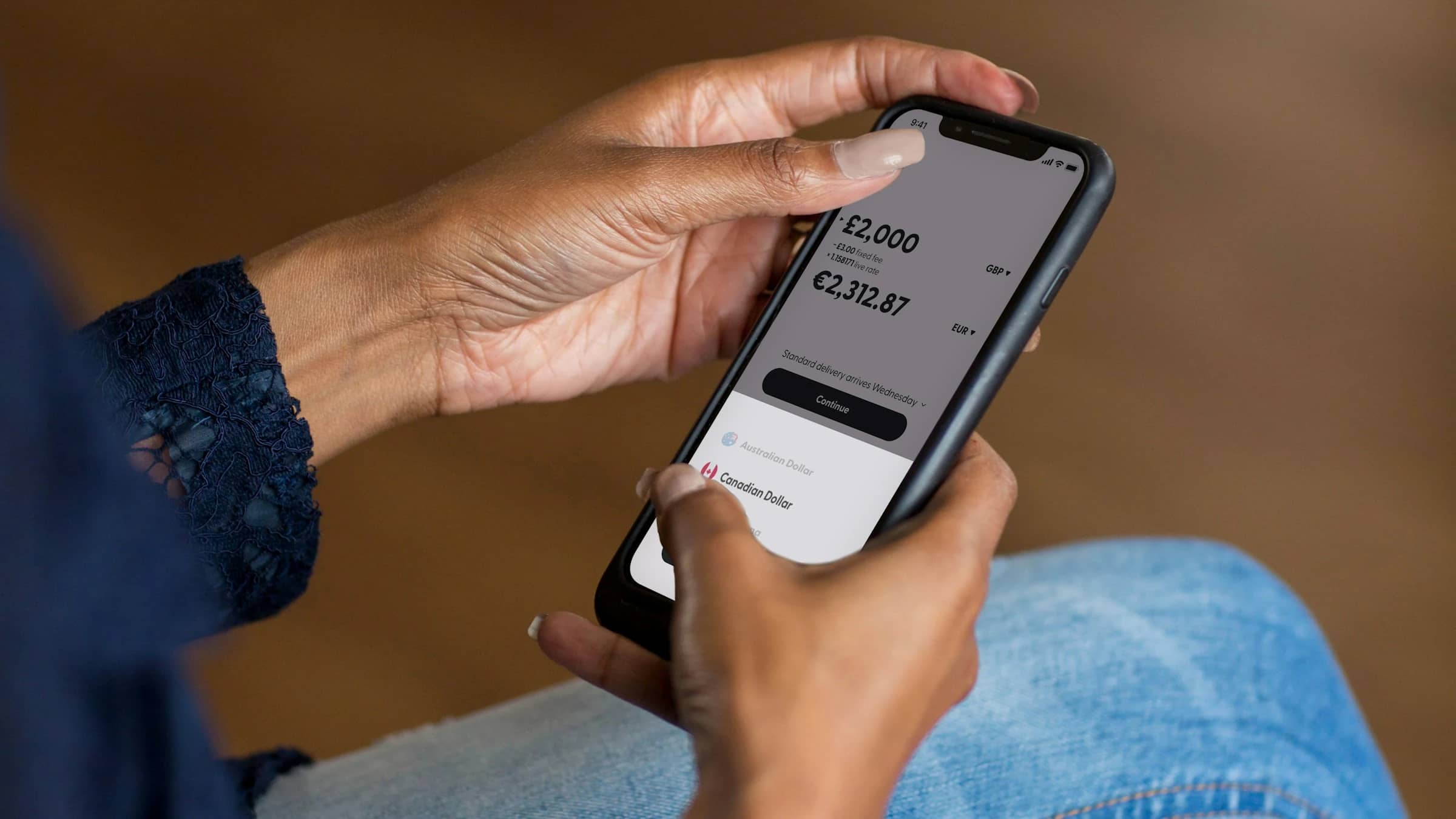

Ticket shopping has a special kind of pain: you see a “great” price… and somehow the total ends up way higher. In one federal review, ticketing fees averaged 27% in the primary market and 31% in the resale market—so that “$100 ticket” can land closer to $127 (or more) once fees show up.[^1]
That’s exactly where deal-alert apps earn their keep: they help you track real prices, spot price drops, and avoid getting tricked by incomplete totals.
What “deal-alert” ticket apps actually do (and why it saves you money)
Think of these apps like a tiny price-watching assistant that does three jobs for you:
- Turns “browse” into “track.” You follow an artist, team, venue, or a specific event so you’re not starting from scratch every time.[^2]
- Flags better-value listings fast. Instead of comparing 40 seat options manually, some apps score listings so you can spot the “good deal” seats quickly.[^3]
- Pushes alerts when something changes. That can mean a new date drops, prices dip, Rush opens, Lottery opens, or better inventory appears.[^2][^4]
And lately, there’s a helpful trend: more all-in pricing up front for U.S. ticketing (fees included before taxes), which makes comparison-shopping way easier.[^5][^6] A major regulator estimates clearer total-price disclosure will save consumers up to 53 million hours per year of wasted searching time—valued at more than $11 billion over the next decade.[^7]
“People deserve to know up-front what they’re being asked to pay.”[^7]
The 5-minute setup I use so alerts actually help (not spam)
If you do nothing else, do this:
- Pick your “must-haves” first: date window, seat area, and your all-in budget (not just the face value).
- Turn on push notifications (and allow them for the specific app).
- Follow 5–15 favorites: your top artists/teams + your closest big venues.
- Track 1–3 specific events you care about right now, so you get price-drop pings instead of random suggestions.[^2]
The math that makes deal-alerts worth it (a quick reality check)
Here’s why “all-in” matters.
If an $80 ticket picks up fees around the federal-average 27% in the primary market, your total is about:
- $80 × 1.27 = $101.60 (before any taxes/delivery)[^1]
That’s a $21.60 difference on one ticket. Multiply that by two parents + two kids, and suddenly you’re debating whether to go at all. Deal-alert apps help you avoid false “cheap” listings and focus on totals you can actually afford.[^5][^7]
5 practical deal-alert apps (I’d actually keep on my phone)
Below are five apps I’ve used with a “deal-alert” mindset—meaning I’m tracking, comparing, and waiting for the right moment instead of impulse-buying at the first price I see.
1) Ticketmaster — best for primary sales + all-in price clarity + event alerts
If you buy a lot of primary-market tickets (first sale), Ticketmaster is often unavoidable. The good news: it now shows All In Price (total including fees, before taxes) while you shop, not just at the end.[^5][^6]
How I use it (deal-alert style):
- I add favorites (artists/teams/venues) and customize alerts, so I get notified when something new is announced or goes on sale.[^8]
- When shopping, I keep the all-in total front and center so I don’t “mentally budget” off a lower number.[^6]
Pros
- All-in price shown during browsing (fees included before taxes).[^^6]
- Strong for presales / first-release inventory in many markets.
- Built-in alert and favorites controls so you can track what you care about.[^8]
Cons
- “All-in” can still exclude local taxes and delivery until checkout.[^6]
- For high-demand events, dynamic pricing and fast-moving inventory can still make timing tricky.[^7]
2) SeatGeek — best for finding “good value seats” + price-drop notifications
SeatGeek is great when you want the app to help you judge whether a listing is actually a deal.
What I lean on:
- Deal Score (a 1–10 score) that reflects how good a deal a ticket is, using factors like historical prices, seat location, and comparisons to other listings.[^3]
- Tracking artists/events so the app can notify you about price drops and newly announced shows.[^2]
Pros
- Deal Score makes it much faster to spot better-value seats.[^3]
- Tracking can trigger alerts for price drops and new events.[^2]
- Useful across sports, concerts, and more.
Cons
- Deal Score is a guide, not a guarantee—especially when inventory is thin.[^3]
- “Great deal” seats can vanish quickly once prices dip.
3) TickPick — best for “no service fees” totals + price protection features
TickPick’s big pitch is simple: no service fees (not hidden, not added at checkout).[^9] That alone can make comparisons easier because the number you see is closer to what you’ll pay.
Two features I treat like “deal insurance”:
- BestPrice Guarantee: if you find the same seats cheaper elsewhere shortly after purchase, it offers credits based on the difference (terms apply).[^9]
- Price Freeze: for eligible events, you can freeze a listed price for a period and get credit back if the price increases (up to stated caps, with rules).[^10]
Pros
- No service fees (as stated by TickPick).[^9]
- BestPrice Guarantee can protect you if you buy and immediately spot a better deal.[^9]
- Price Freeze is useful when you’re worried prices will jump before payday.[^10]
Cons
- Guarantees and credits have rules, time windows, and eligibility limits.[^9][^10]
- Price Freeze doesn’t guarantee tickets will still be available later.[^10]
4) Gametime — best for last-minute shopping + “fees included” display + price guarantee
Gametime is my go-to when plans are flexible and I’m okay buying closer to the event date (when some prices soften, especially for less-hyped games/shows).
Deal-alert angle:
- It emphasizes prices with fees included so you’re not comparing mismatched totals.[^11]
- It offers a price guarantee: find a lower price elsewhere for the same seats and you can get credit based on the difference (terms apply).[^12]
Pros
- Displays prices with fees included (less guesswork).[^^11]
- Price guarantee can protect you from overpaying if you catch a lower checkout total elsewhere.[^12]
- Built for quick mobile buying.
Cons
- Great last-minute inventory varies a lot by city/event.
- Guarantees require proof, timing rules, and matching-seat conditions.[^12]
5) TodayTix — best for theatre discounts via Rush + Lottery alerts
If you’re into theatre (Broadway, touring shows, local productions), TodayTix can feel like a totally different category of savings because it’s not just “resale deals”—it’s access to Rush and Lottery programs on select shows.[^4]
How I use it:
- I filter for Rush/Lottery in the app and enable notifications, so I can jump in right when those discounted windows open.[^4]
Pros
- Rush offers same-day discounted tickets (availability and pricing vary by show).[^^4]
- Lottery offers a chance at discounted tickets with in-app winner notifications.[^4]
- Great when you’re flexible on seats (and sometimes dates).
Cons
- Rush is first-come, first-served and can sell out fast.[^4]
- Lottery is luck-based; you can do everything right and still not win.[^4]
What’s changing right now (and how to adapt your “deal-alert” strategy)
A few developments are worth knowing because they change how you should shop:
- All-in pricing is becoming more common in the U.S. (fees shown up front before taxes), which makes app-to-app comparisons easier—especially for families budgeting to the dollar.[^5][^6][^7]
- Fees are still a major part of the total cost. Recent congressional research notes ticketing revenue tied to fees and highlights that fees can be a significant portion of final price, including ranges reported in studies it summarizes.[^13]
- Bots and high-speed buying are still a factor for the hottest events, which is why alerts matter: being early (or being patient for a dip) can beat refreshing at random.[^1][^13]
Quick, no-drama conclusion
Deal-alert ticket apps don’t magically make concerts and games cheap—but they do help you stop shopping blind. When you track what you love, compare all-in totals, and let alerts catch drops and discount windows, you give yourself more chances to pay a price that actually fits your budget.
Sources
[^1]: U.S. Government Accountability Office — Event Ticket Sales: Market Characteristics and Consumer Protection Issues — https://www.gao.gov/products/gao-18-347
[^2]: SeatGeek Support — What are SeatGeek recommendations — https://support.seatgeek.com/hc/en-us/articles/360007288053-What-are-SeatGeek-recommendations
[^3]: SeatGeek Support — What is Deal Score — https://support.seatgeek.com/hc/en-us/articles/360007200954-What-is-Deal-Score
[^4]: TodayTix — Lottery and Rush — https://www.todaytix.com/us/static/lotteryandrush
[^5]: Ticketmaster Help Center — What is the All-In Price — https://help.ticketmaster.com/hc/en-us/articles/35127799858193-What-is-the-All-In-Price
[^6]: Ticketmaster Business — Ticketmaster Launches All In Pricing — https://business.ticketmaster.com/press-release/all-in-prices/
[^7]: Federal Trade Commission — Federal Trade Commission Announces Bipartisan Rule Banning Junk Ticket and Hotel Fees — https://www.ftc.gov/news-events/news/press-releases/2024/12/federal-trade-commission-announces-bipartisan-rule-banning-junk-ticket-hotel-fees
[^8]: Ticketmaster Help Center — How do I subscribe to Ticketmaster alerts — https://help.ticketmaster.com/hc/en-us/articles/9613319708561-How-do-I-subscribe-to-Ticketmaster-alerts
[^9]: TickPick — BestPrice Guarantee — https://www.tickpick.com/bestprice-guarantee/
[^10]: TickPick Support — What Is Price Freeze And How Does It Work — https://support.tickpick.com/hc/en-us/articles/11630678725783-What-Is-Price-Freeze-And-How-Does-It-Work-
[^11]: Apple App Store — Gametime: Last Minute Tickets — https://apps.apple.com/us/app/gametime-last-minute-tickets/id630687854
[^12]: Gametime — Price Guarantee — https://gametime.co/price-guarantee
[^13]: Congressional Research Service — Ticket Sales and Pricing: Federal Policy Issues — https://www.congress.gov/crs-product/R48179